
AI search is here, and it’s changing everything we know about how people find information online. OpenAI’s ChatGPT Search and other AI-driven platforms are reshaping the landscape, blending conversation and search into one seamless experience. But what does this mean for your SEO strategy, your content, and your website’s visibility?
What to know?
- AI search prioritises intent and authority, rewarding content that answers user questions clearly and concisely.
- Bing matters more than ever, as ChatGPT Search relies on Bing’s indexing and ranking data.
- Structured data and technical SEO remain critical for AI-driven visibility and accuracy.
- High-quality, human-centred content wins, helping brands stand out in an increasingly conversational search world.
This Article Will Cover:
What is AI-powered search?
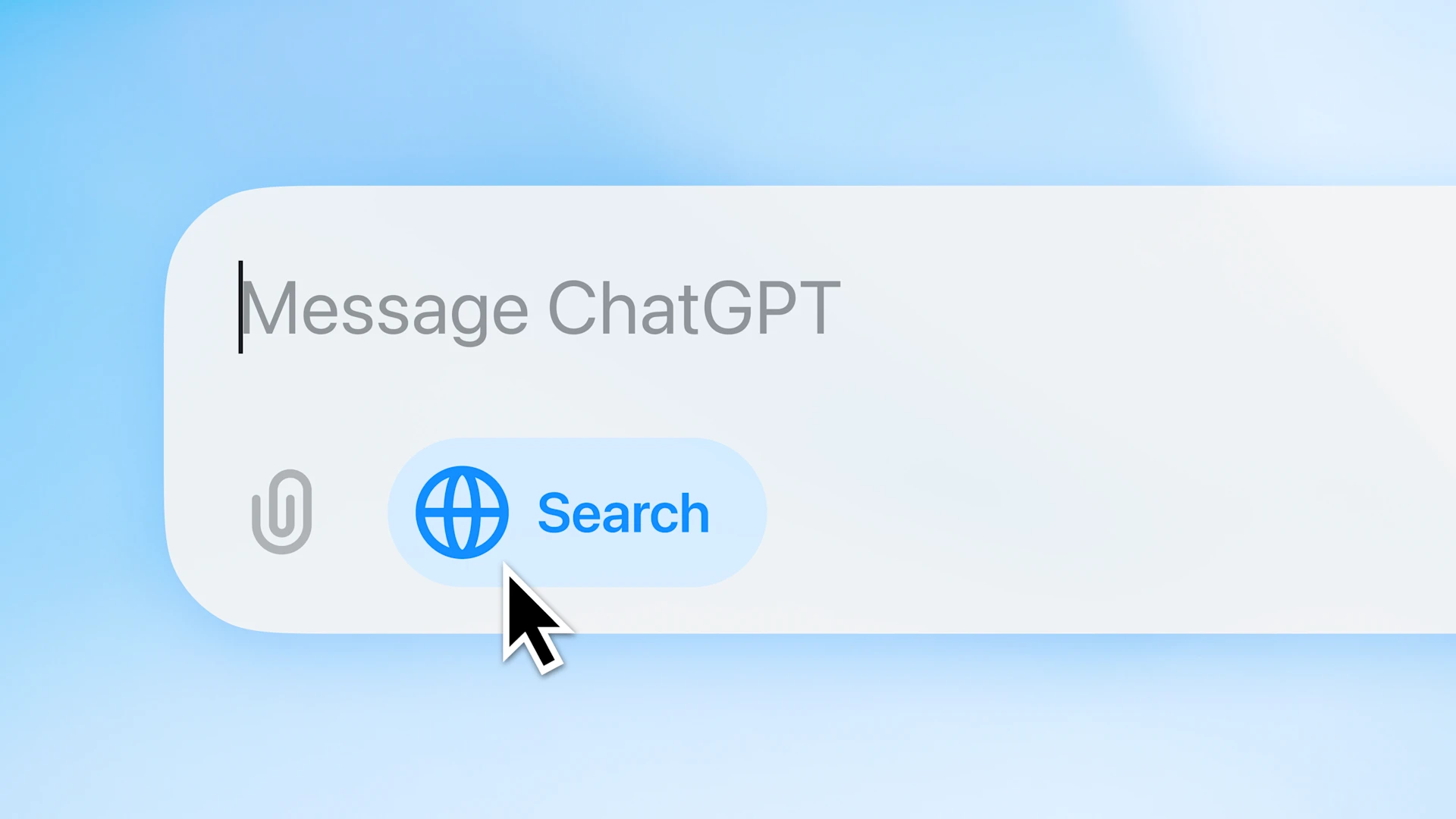
ChatGPT Search builds on OpenAI’s natural language capabilities, combining them with live web results to deliver fast, relevant answers with citations. Instead of a list of ten blue links, users now see curated, conversational results that summarise key information, complete with sources.
This isn’t just Google with a new coat of paint. It’s a fundamental shift in how people discover and consume information online. AI doesn’t just show results; it interprets, summarises, and even recommends what’s most useful. At Fhoke, we’ve seen it and been subject to it. We’ve won several web design projects now, from brands searching simple terms such as London Web Design agency or WordPress Agency London, and boom, there we’ve appeared.
If you’ve read our guide on How to optimise your WordPress site for AI search, you’ll know this new era demands a rethink in how websites are structured and written.
How does SEO change in an AI-first world?
Traditional SEO still matters, but it’s evolving fast. Keywords and backlinks remain important, but AI search engines place far greater weight on context, clarity, and authority.
AI models prioritise content that directly answers questions and matches intent. So, if your site offers well-written, trustworthy information that genuinely helps users, you’re already ahead.
Technical SEO, fast load times, and structured data remain vital. If you haven’t already, it’s worth revisiting your schema markup — particularly for FAQs, products, and reviews — to help AI models understand your pages more effectively.
For a deeper dive into this, check out our post on What to consider when performing a website audit.
The role of Bing and Microsoft in AI search
One key detail often overlooked: ChatGPT Search uses Bing’s indexing tools. That means if you’ve been focusing purely on Google, it’s time to expand your horizons.
Ensure your site is verified in Bing Webmaster Tools and optimised for Bing’s crawlers as well as Google’s. The partnership between Microsoft and OpenAI means Bing’s data plays a major role in how AI-generated search results are formed.
This dual-optimisation approach is something we’ve been encouraging our clients to explore. It’s the same proactive mindset that drives our work in beautiful websites that convert, getting ahead of trends before they become the norm.
Who stands to gain from AI search?
The winners in this new landscape will be brands that prioritise quality, intent-driven content and a strong user experience. AI search engines reward clarity and expertise, not volume. That’s great news for smaller businesses and niche players who create useful, engaging content.
Companies with fast, accessible websites and fresh, structured information will rise to the top. Those relying on outdated keyword tactics or neglected sites may struggle.
If you’re looking to take control of your digital presence, our article on the top five reasons to choose a bespoke website built by a web design agency is a great place to start.
What should I do next?
AI search represents one of the biggest shifts in SEO since the rise of mobile-first design. It’s changing how people search, how content is discovered, and how websites are built. But the fundamentals remain the same — create great content, deliver it through a fast, well-structured website, and keep your users’ needs at the heart of everything.
At Fhoke, we’ve spent nearly two decades building digital experiences that adapt to change. The arrival of AI search isn’t the end of SEO — it’s the next exciting chapter.


