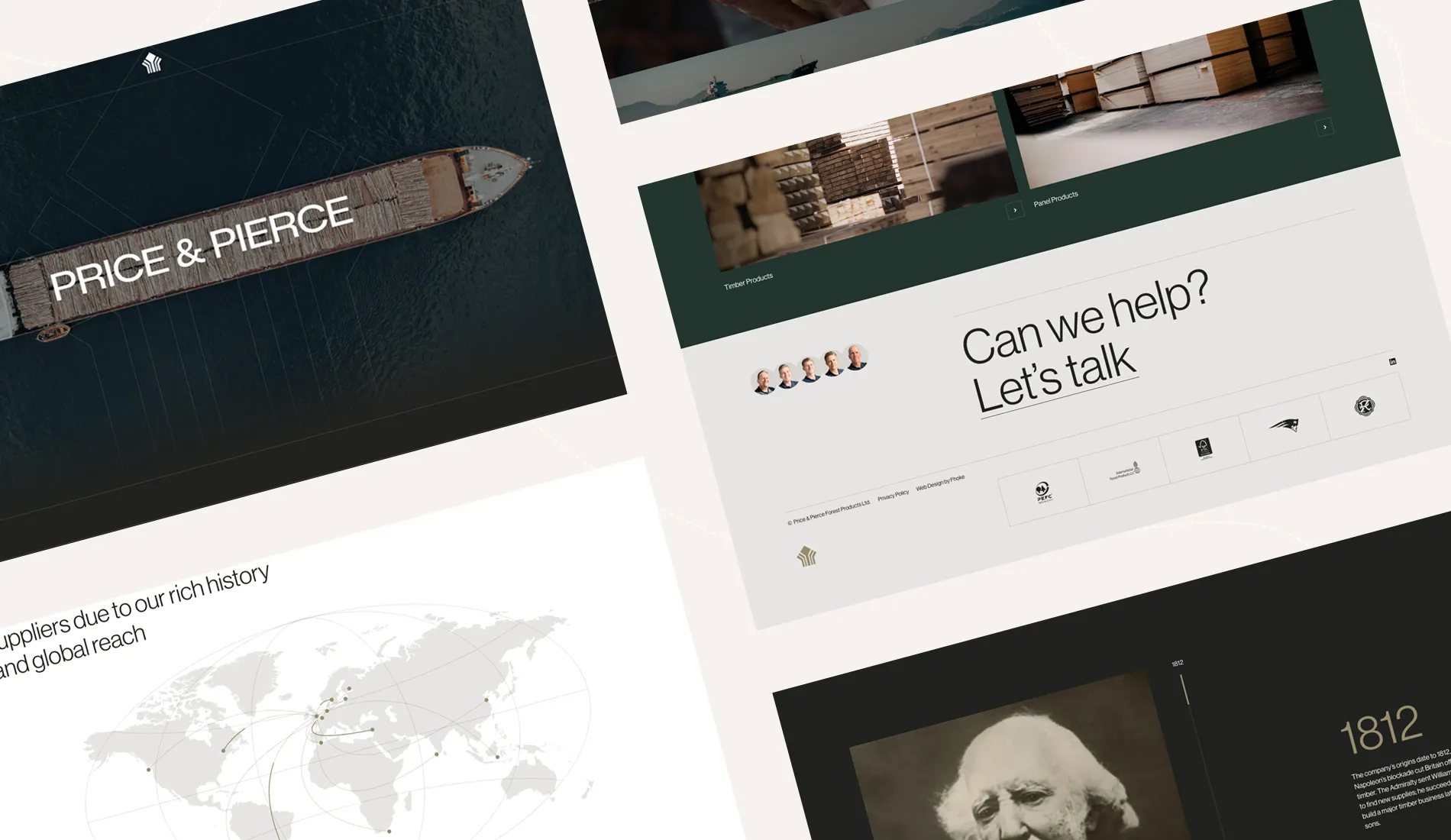
A templated website usually looks fine right up until the moment your business needs it to do something more. More leads. Better search visibility. Clearer brand positioning. A smoother buying journey. We’ve seen it all here, after 18 years of working with WordPress. That’s where custom WordPress website design starts to show its value, because it is built around how your business actually works rather than forcing your brand into somebody else’s layout.
For growth-focused businesses, that difference is commercial, not cosmetic. A website is often the first serious sales conversation a prospect has with your brand. If the experience feels generic, slow or confusing, confidence drops quickly. If it feels considered, credible and easy to use, people stay longer, enquire more often and move through the journey with less friction. Our article on beautiful websites that convert explores this in more depth.
This Article Will Cover:
- What To Know
- What custom WordPress website design really means
- Why growing brands outgrow templates
- The business case for a custom WordPress website
- Custom WordPress website design and SEO
- The process matters as much as the platform
- When custom is worth the investment
- What to look for in a WordPress partner
- A website should earn its place
What To Know
- Custom WordPress website design means building a website around your business goals, audience, brand and workflows — not forcing your content into a pre-built theme or template structure.
- Bespoke WordPress builds improve commercial performance by creating stronger UX, clearer user journeys, better lead generation, scalable CMS functionality, faster performance, and more flexible integrations with tools like CRMs, marketing platforms and eCommerce systems.
- Template websites often become restrictive as businesses grow, leading to bloated plugins, awkward workarounds, poor CMS usability, weaker SEO foundations, and difficulty evolving the site without costly compromises.
- A successful custom WordPress project combines strategy, UX planning, SEO, development, accessibility, performance optimisation and long-term scalability — creating a platform that supports marketing, sales and growth rather than simply looking modern at launch.
What custom WordPress website design really means
Custom does not simply mean adding your logo to a premium theme. Actual custom WordPress website design starts with strategy, then moves through UX planning (wireframes), creative direction (flat visuals), content structure, development and testing. The result is a site shaped around your brand, your audience and your commercial goals. Businesses exploring professional website design services are usually looking for exactly this level of alignment.
That always involves a completely bespoke front-end design, tailored page layouts, flexible content modules, custom post types, integrations with your CRM or marketing tools, and a CMS setup that makes day-to-day editing easier for your team. It should also always include performance work, technical SEO foundations and functionality designed around lead generation, recruitment, eCommerce or content publishing, depending on your business needs. If SEO visibility matters, our guide to WordPress SEO without plugins is also worth reading.
The goal is to create the right website for the business in front of you.
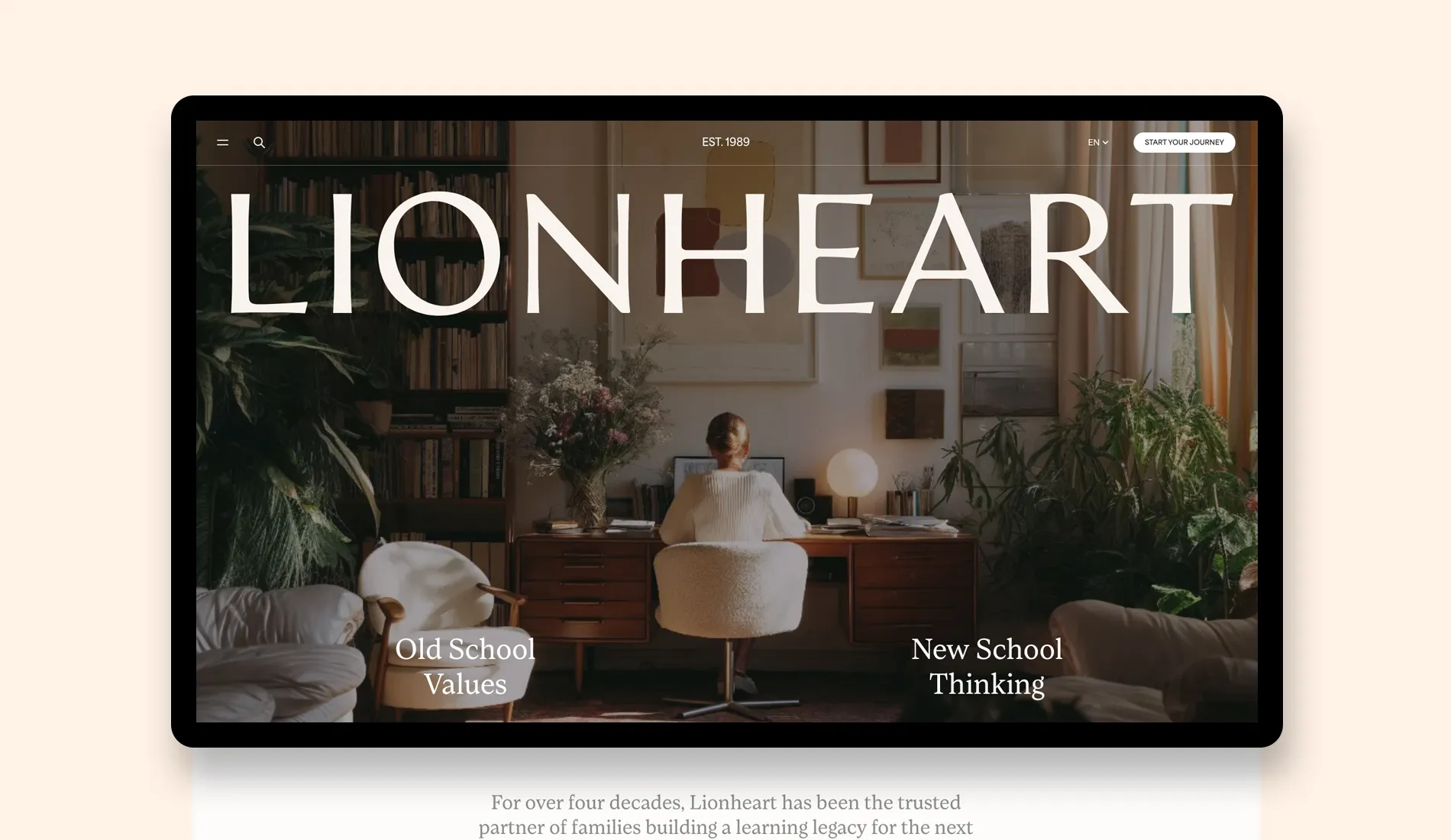
Why growing brands outgrow templates
Themes have their place. For startups with limited budgets or temporary campaign microsites, they can be a practical short-term option. But for established SMEs and larger organisations, they often become restrictive surprisingly fast.
The first problem is sameness. Templates are designed to appeal to as many buyers as possible, so they tend to smooth away distinction. That is unhelpful if your business is trying to sharpen its positioning, justify premium pricing or look more credible than competitors.
The second problem is compromise. You may find a theme that is close to what you want, but never quite right. Then the workarounds begin. Extra plugins, awkward layout edits, bloated code, and content squeezed into structures not built for it. Costs start small and grow quietly.
The third problem is control. Businesses often inherit websites that look polished on the surface but are frustrating beneath the surface. This is the most common pain point for clients we onboard. Editors avoid making changes because the CMS feels brittle. Marketers struggle to build landing pages without developer support. SEO fields are patchy. New features are difficult to add without destabilising the build. We covered similar issues in our article on how bad UX impacts website performance.
A custom approach removes those friction points by deciding upfront what the site needs to do, who will manage it and how it should evolve over time.
The business case for a custom WordPress website
The strongest reasons to invest in a custom WordPress Theme are improved brand alignment, a stronger focus on usability, and better performance.
From a brand perspective, bespoke design allows you to express your identity far more. Typography, motion, imagery, page rhythm, content hierarchy and interactive details can all be dialled. For businesses competing in crowded sectors, that matters. A distinctive website can improve trust before a sales team speaks to anyone.
From a usability perspective, custom design lets you shape user journeys around real priorities. If generating enquiries is the goal, the architecture, calls to action, and contact pathways can be planned to support that. If the site needs to educate buyers with complex services, the content structure can be built to reduce confusion and guide decision-making. Our guide on building websites that attract the right leads expands on this.
From a performance perspective, WordPress remains a strong platform because it is flexible, widely supported and highly scalable when implemented properly. With the right development approach, it can provide a clean editing experience, strong technical SEO foundations and the freedom to extend functionality as the business grows. Businesses comparing platforms may also find why choose WordPress useful.
Custom WordPress website design and SEO
SEO is one of the clearest areas where bespoke work pays off. Not because custom themes automatically improve rankings, but because it allows the site to be built with search performance in mind from the start.
Site structure can reflect how users actually search. Off-the-shelf templated websites often encourage generic page patterns, whereas a custom build can support a more strategic content hierarchy and architecture with clearer service categories and stronger internal linking opportunities.
Technical performance also improves. Clean code, considered heading structures, editable metadata, schema where relevant, image handling, page speed optimisation and mobile usability are easier to manage when they are part of the brief rather than added later. That does not replace ongoing SEO work, but it gives marketing teams a stronger base to build from. Accessibility also matters here, which is why we wrote about WCAG-compliant WordPress websites.
There is also a content advantage. When your CMS is configured around your needs, publishing and updating pages becomes simpler. That makes it more likely your team will actually maintain the site, and feel proud to do it, which is often the real difference between websites that grow in visibility and those that stagnate.
The process matters as much as the platform
A WordPress project succeeds or fails long before development begins. Businesses sometimes focus heavily on visuals and functionality while underestimating the value of planning. In practice, strategy and process are what protect the investment.
A good project usually starts by clarifying commercial goals. Are you trying to improve lead quality, support a repositioning, increase online sales, recruit talent or consolidate multiple services under one clearer proposition? Without that clarity, even an attractive design can miss the mark.
Research comes next. That includes competitor review, audience expectations, current site performance, user pain points and content gaps. From there, UX planning should define the structure, key journeys and information priorities before creative concepts are developed.
That sequence matters because it prevents subjective design decisions from leading the project. It keeps the work anchored in how the site is supposed to perform.
Once the build begins, details become important. CMS flexibility, responsive behaviour, speed testing, browser testing, accessibility considerations and editor training all shape whether the site remains useful after launch. Businesses do not just need a finished website. They need a platform their team can manage with confidence. Ongoing support is why many businesses move onto a WordPress support retainer after launch.
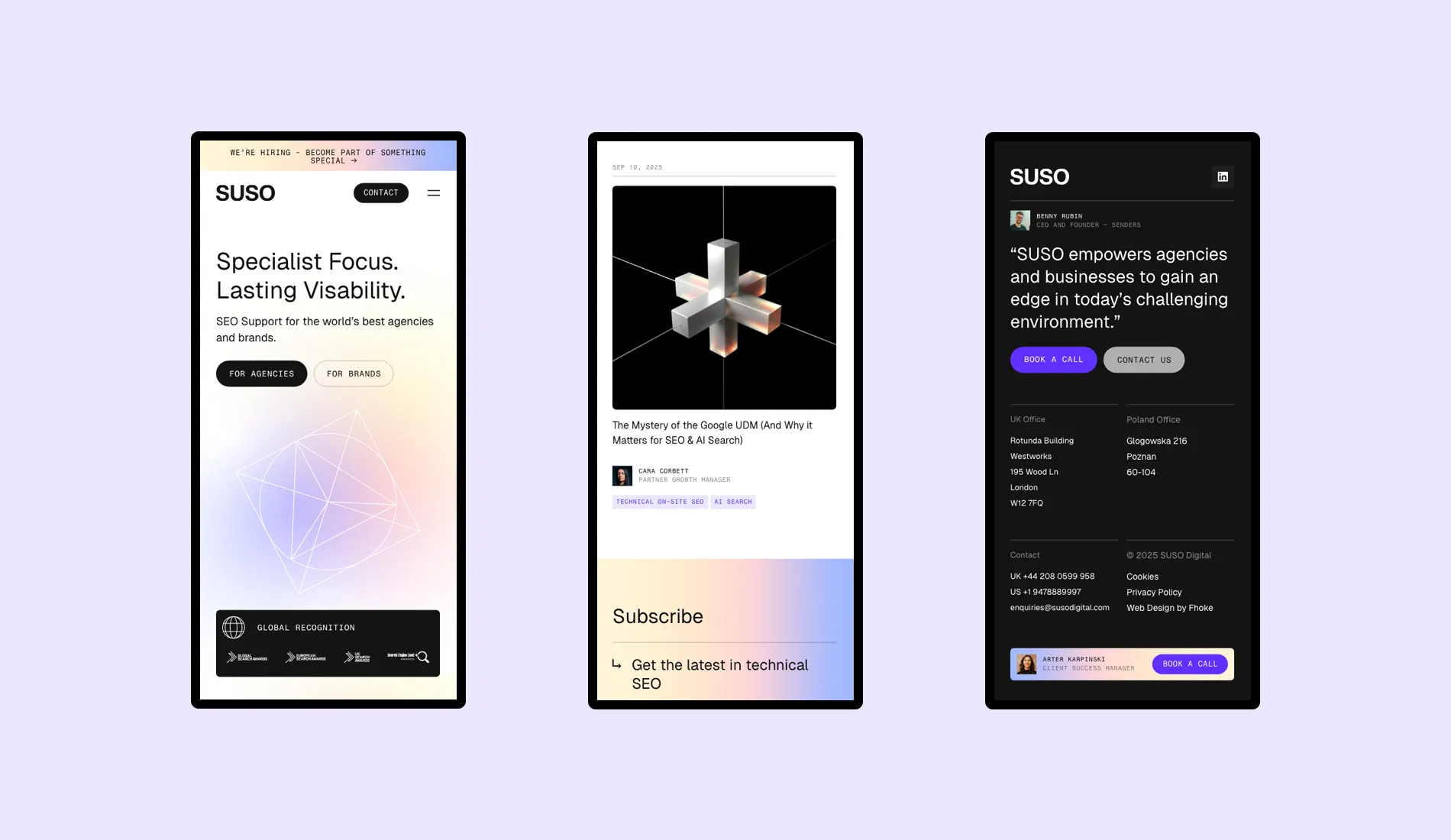
When custom is worth the investment
Not every business needs a fully bespoke build immediately. If your website plays a minor role in sales and your offering is unlikely to change, a simpler setup may be enough for now.
But custom WordPress website design tends to make sense when your site is central to growth, when brand expression directly affects conversion, or when your team needs a platform that can adapt over several years. We have built sites that are 8-10 years old now, and still going strong. It is especially valuable for companies that are rebranding, merging services, replacing outdated systems, or moving beyond a website that no longer reflects the quality of the business.
It also makes sense when your organisation has internal stakeholders with real requirements. Marketing may need campaign flexibility. Sales may need stronger enquiry pathways. Leadership may want clearer positioning. Operations may need easier updates. A custom WordPress theme is often the only sensible way to balance all of those needs without creating a patchwork site.
What to look for in a WordPress partner
Choosing the right WordPress agency is not just about creative taste. It is about whether they can connect design decisions to business outcomes.
A strong partner should be able to explain their process clearly, challenge assumptions when needed and show how they approach strategy, UX, development and post-launch support. They should talk about CMS usability as confidently as they talk about design. They should also be honest about trade-offs. Not every feature is worth building in phase one, and not every ambition belongs on the homepage.
That’s us! We can be brutally honest at times, but that’s why clients stay.
This is where relationship-led delivery tends to outperform one-off production. A website is rarely finished in any final sense. It should improve over time through content refinement, feature updates, testing and support. Agencies such as Fhoke (us) understand that the best digital projects are not isolated design exercises. They are business assets shaped to grow with the organisation.
A website should earn its place
There is no shortage of websites that look modern for six months and underperform for three years. The better question is not whether a site feels impressive at launch, but whether it gives your business more control, more credibility and more opportunities to convert the right audience.
That is the real strength of a custom WordPress build. It gives ambitious brands room to present themselves properly and the technical foundation to keep moving. If your current site is holding the business back, replacing compromise with intent is usually where progress starts.
If your site has stagnated or has become a pain in your life, get in touch. We can help.


