
A serious web project usually starts with a fair question: what industries and sectors do you work with? If you are investing in a new website, replatforming an eCommerce store or commissioning a bespoke web app, you want to know whether your agency partner understands your market, your buyers and the commercial pressures behind the brief.
The honest answer is that sector experience matters, but not always in the way people assume. The strongest digital work rarely comes from applying the same industry template again and again. It comes from combining sharp discovery, strong UX thinking, technical depth, and commercial awareness, and then shaping it around the realities of a specific business. That is where real performance tends to happen. We’ve been around for 18 years (as of this writing), so we’ve seen it all across every sector. That’s one of Fhoke’s many strengths: we can bring experience and ideas from one sector and apply them to another. Our article on the web design process explains how that structured approach works in practice.
This Article Will Cover:
What To Know
- Fhoke works across a wide range of sectors — including B2B, professional services, retail, manufacturing, hospitality, property, technology and specialist organisations — because most businesses share similar digital goals: clearer positioning, better usability and stronger commercial performance.
- Sector experience matters, but process matters more: successful digital projects depend on discovery, UX strategy, content structure, technical planning and scalability rather than simply repeating industry templates.
- Different industries require different priorities: B2B websites focus on trust and lead quality, eCommerce sites prioritise conversion and usability, technical sectors need clearer communication, and bespoke operational businesses often require custom platforms or workflows.
- Cross-sector experience can create stronger digital outcomes by applying proven ideas from one market to another, helping businesses improve storytelling, UX, conversion strategy and platform decisions without relying on generic “industry standard” approaches.
What industries and sectors do you work with in practice?
For an agency delivering branding, custom websites, eCommerce builds and bespoke applications, the range is naturally broad. That often includes professional services, manufacturing, construction, property, hospitality, retail, health and wellbeing, education, charities, membership organisations, technology businesses and specialist B2B companies.
That breadth is not a lack of focus. It reflects the fact that many digital challenges are shared across sectors. Businesses outgrow dated websites. Marketing teams need stronger brand consistency. Sales teams want better lead quality. Internal teams need a CMS they can actually use. eCommerce brands need a platform that supports trading properly rather than fighting against it. We covered similar platform considerations in our article on WordPress vs custom website development.
The details vary from sector to sector, but the commercial brief is often familiar: look more credible, communicate more clearly, improve usability, and generate better results.
Industry knowledge matters – but process matters more
There is value in working with a team that understands your sector language, procurement cycles or compliance context. A manufacturer and a direct-to-consumer retailer do not sell in the same way. A property brand and a SaaS business will not structure content around the same customer journey. A private healthcare provider has different trust signals to prioritise than a food and drink brand.
Even so, sector familiarity alone is not enough. A website can still miss the mark if the strategy is weak, the UX is poorly considered, or the technical build creates limitations six months after launch. That is why experienced buyers tend to look beyond a simple industry list. Our article on how bad UX affects website performance explores this issue in more depth.
A better question is whether the agency can quickly understand your proposition, identify what is holding performance back, and turn that into a build that supports growth. That takes a disciplined process. Research, user journey planning, content structure, design exploration, platform selection, development standards, testing and training all matter far more than surface-level claims about being a specialist in everything.

How different sectors shape the work
Different industries bring different priorities, and a good agency should be able to adapt without losing strategic rigour.
B2B and professional services
In B2B sectors, websites often need to do heavy lifting around credibility. Buyers are not making instant decisions. They are comparing suppliers, checking capability, reviewing case studies and looking for reassurance that your team can deliver. Here, clarity of proposition, messaging hierarchy, trust signals and lead journey design tend to matter more than visual flair alone.
That does not mean design takes a back seat. It means design needs to support authority and conversion rather than distract from them. Our article on websites that convert explores this balance between branding and usability.
Retail and eCommerce
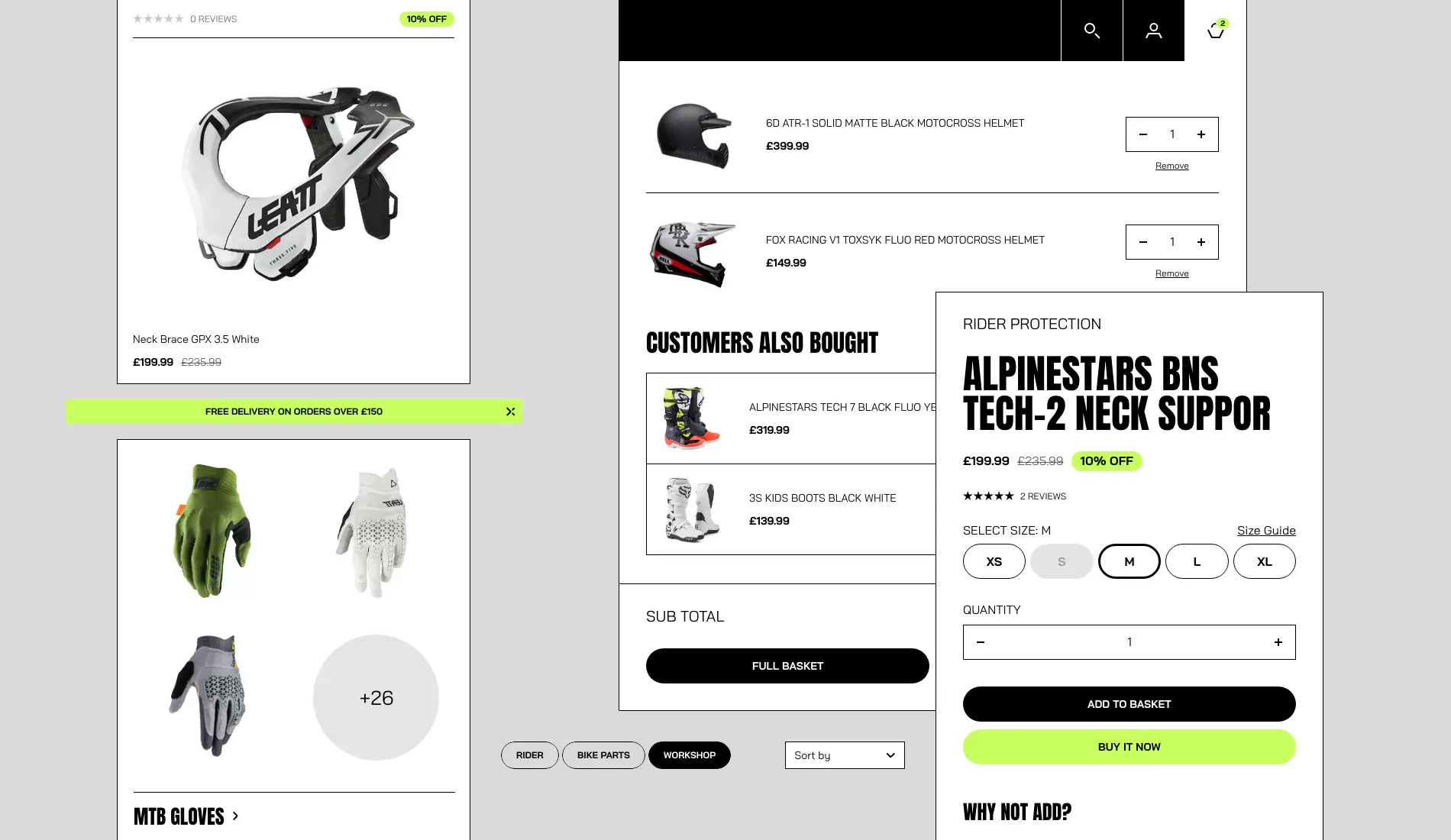
Retail brings a different set of demands. Navigation, product filtering, mobile usability, checkout flow, speed and merchandising all have a direct impact on revenue. Brand presentation still matters, but so does the unglamorous side of trading – stock logic, platform flexibility, content management and the ability to scale campaigns without constant developer dependence.
This is where platform choice becomes commercially significant. Shopify, WooCommerce and BigCommerce each suit different operational models, team structures and growth plans.
Manufacturing, engineering and technical sectors
These sectors are often underserved by poor digital presentation. The business itself may be highly capable, but the website fails to reflect that. Complex services are buried under jargon. Product information is difficult to navigate. Enquiry routes are unclear. In these cases, the opportunity is usually not to overcomplicate the design, but to clarify it.
A well-planned site can make a technical business feel more accessible without oversimplifying what makes it credible. We touched on this idea in our article about building websites that attract the right leads.
Hospitality, leisure and lifestyle brands
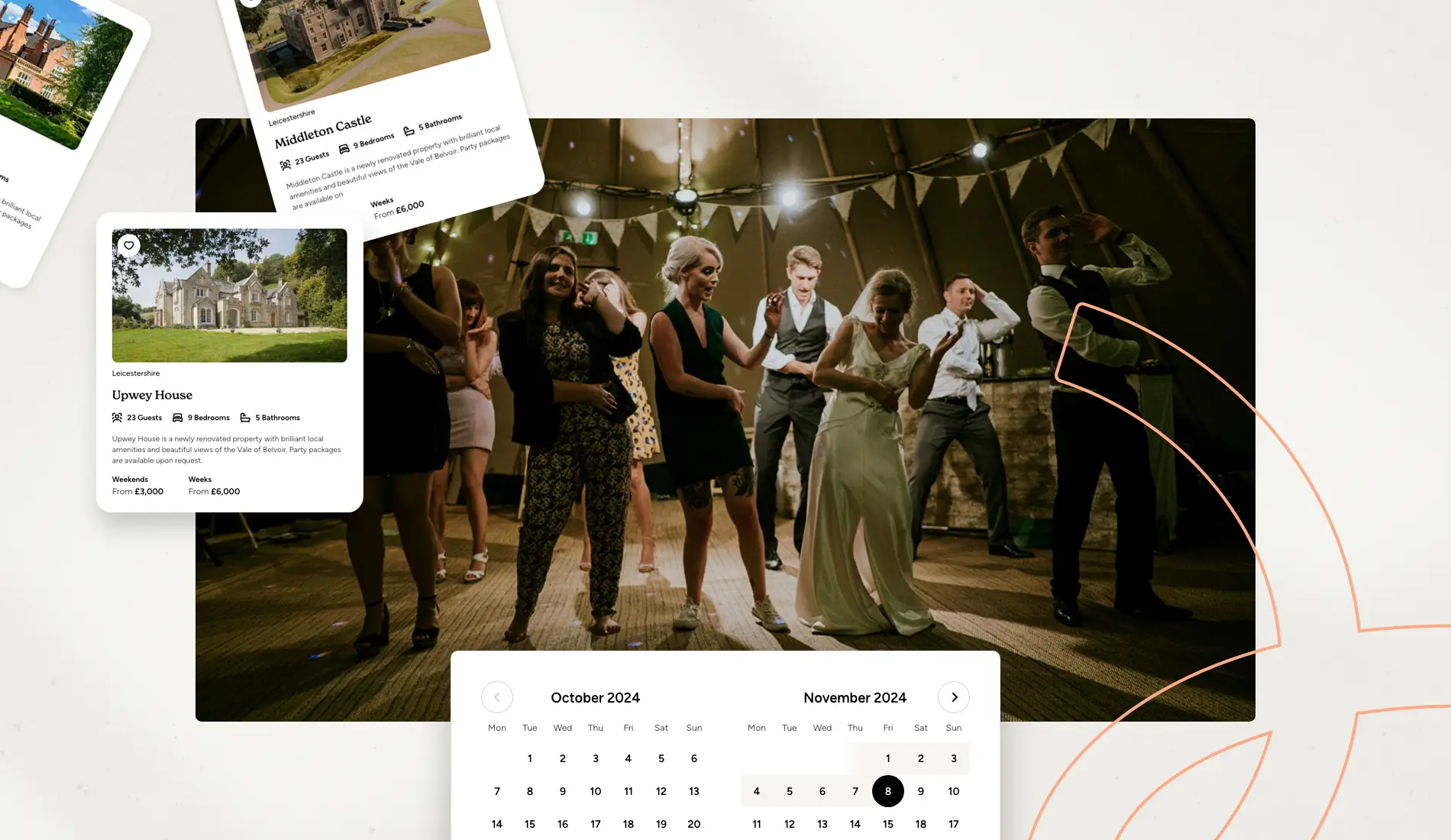
Here, presentation and user experience are closely linked. Customers respond to atmosphere, confidence and ease. Whether the goal is bookings, enquiries or purchases, the digital experience needs to feel polished and purposeful. Strong visuals help, but so do the basics: fast loading, intuitive navigation and content that answers practical questions before users go elsewhere.
This is where thoughtful branding and UX work together particularly well.
Organisations with bespoke operational needs
Some businesses need more than a marketing site or standard shop build. They may require portals, custom workflows, booking tools, integrations or internal systems that support day-to-day operations. In those cases, sector background matters less than technical problem-solving. A bespoke Laravel application or tailored web platform succeeds when it fits the business process properly, not when it ticks a generic industry box.
For these projects, our guide to web application development explains the difference between standard websites and operational platforms.
What clients are really asking when they ask about sectors
When someone asks, what industries and sectors do you work with, they are usually testing for three things.
First, they want to know whether you will understand the business quickly. No one wants to spend months educating an agency on the basics.
Second, they want reassurance that you can translate strategy into practical delivery. It is one thing to discuss user journeys and growth targets. It is another to build a site that editors can manage, search engines can read and customers can use without friction.
Third, they want confidence that you will not force a one-size-fits-all approach. Good agencies bring a clear process, but they do not treat every sector as if it behaves the same way.
That distinction matters. Repetition can create efficiency, but too much sameness leads to bland work and weak differentiation. For brands competing in crowded markets, that is a costly mistake.
The case for cross-sector experience
There is a strong argument for working across multiple sectors, especially for businesses that want more than a safe refresh. Cross-sector experience often leads to better problem-solving because ideas are not trapped inside one category.
A B2B company can learn from the clarity and conversion discipline of eCommerce. A manufacturer can benefit from the storytelling standards of premium consumer brands. A property business can improve lead quality by adopting clearer service architecture from professional services. Good agencies recognise these overlaps and adapt them intelligently.
That said, transferability has limits. Regulated sectors, complex procurement environments and highly specialised technical products need careful handling. You cannot simply import tactics from one market to another and expect them to work unchanged. This is where strategic judgement matters. The best approach is usually a mix of proven digital principles and sector-specific adjustment.
Choosing an agency beyond the sector list
If you are reviewing agencies, the industries they have worked with should inform your decision, but not dominate it. Look at how they think, how they structure projects and whether they can explain commercial decisions clearly.
Do they talk about UX, content hierarchy and performance in a way that makes sense for your business? Can they advise on platform suitability rather than pushing a preferred stack regardless of context? Do they show evidence of disciplined delivery, from planning and build through to CMS training and post-launch support?
These are stronger indicators than a long page of sectors with no depth behind it.
For many growth-focused businesses, the right partner is not simply one that has worked in the same field before. It is one that can combine creative quality with technical execution, understand where value is created and build digital products that keep working after launch. That is a different standard from producing attractive pages and calling the job done.
Fhoke works across a wide range of industries because ambitious businesses in different sectors often need the same thing at heart: clearer positioning, stronger usability, smarter platform choices and a presence that contributes properly to growth.
If you are asking which sectors an agency works with, ask one more question alongside it: can they understand what makes your business commercially distinctive and build around that? The answer to that is usually far more revealing than the category list.
If you’re looking for a web design agency with vast experience, then come talk to us.


