
A dated website rarely fails in just one area. It usually looks tired, says too little about the brand, frustrates users, and gives your team very little control once it goes live. When clients ask what types of websites Fhoke builds, the better answer is this: websites designed to look great, but that drive a business forward, a destination they are proud to talk about.
That means the platform depends on the commercial goal. Some businesses need a sharper brochure site that helps them win enquiries. Others need a high-performing eCommerce site that can support growth. Some need something more specialist altogether – a bespoke web app that solves an operational problem, supports a service model, or creates a better customer experience. The right build starts with the business case, then works back to platform, functionality and design. Our guide on WordPress vs custom website development explores that decision in more detail.
This Article Will Cover:
- What To Know
- What types of websites does Fhoke build for growing brands?
- WordPress websites for lead generation and brand credibility
- Shopify stores for focused eCommerce growth
- WooCommerce for brands that need flexibility
- Bespoke Laravel web applications for custom requirements
- What types of websites does Fhoke build beyond platform labels?
- The process behind the build matters as much as the build itself
- Which type of website is right for your business?
What To Know
- Fhoke builds four main types of digital platforms — WordPress websites, Shopify stores, WooCommerce websites, and bespoke Laravel web applications — with the platform chosen based on business goals, scalability, workflows and growth plans rather than trends.
- WordPress is typically best for lead generation, content marketing and brand-focused websites, while Shopify suits streamlined eCommerce operations, WooCommerce supports brands needing both content and commerce flexibility, and Laravel is used for highly custom platforms or operational tools.
- The success of a website depends less on the platform itself and more on strategy, UX planning, SEO foundations, content structure, scalability and how well the site supports real user behaviour and commercial goals.
- Website projects require more than design and development — they need discovery, audience research, conversion planning, CMS usability, ongoing support and future-proof thinking so the site continues supporting growth long after launch.
What types of websites does Fhoke build for growing brands?
The core answer spans four main areas: WordPress websites, Shopify stores, WooCommerce builds, and Laravel web apps. That range matters because not every organisation should be pushed towards the same platform. A service-led business with a complex sales journey has very different needs from a retailer with hundreds of SKUs, and both vary again from a company that needs custom functionality behind the scenes.
The value is not in offering more options for the sake of it. It is in choosing the right route based on brand position, content needs, scalability, user journeys, internal workflows and commercial targets. Good platform advice can save a business from an expensive rebuild later. We’ll always ask what your goals are today and 12+ months down the road. We’ve seen it before, pick Shopify, whereas WooCommerce might have been the better pick and vice versa. If you are comparing options, our article on Shopify vs BigCommerce is useful wider reading.
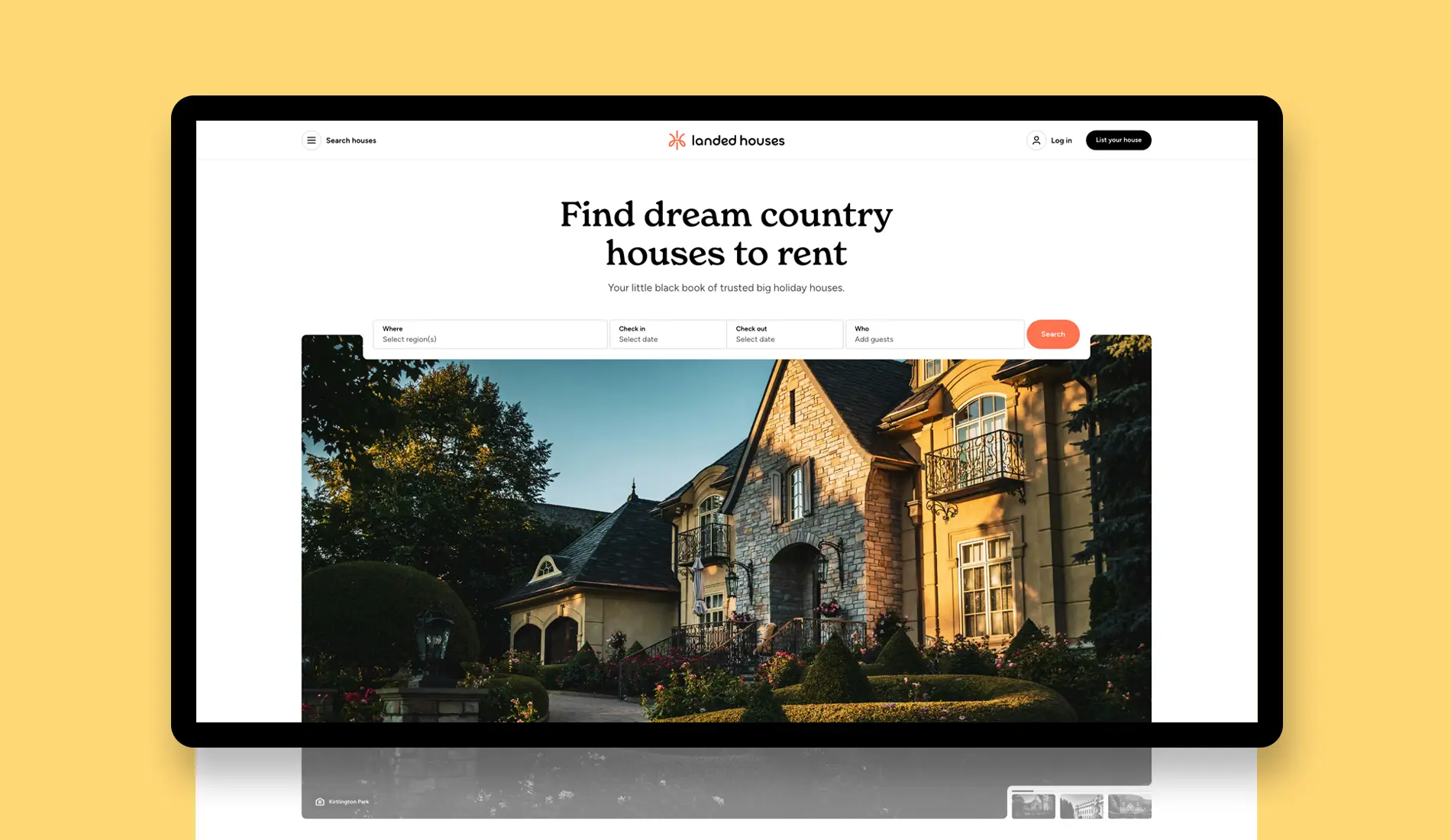
WordPress websites for lead generation and brand credibility
For many established businesses, WordPress remains the right choice. It is flexible, widely understood, and well-suited to brochure websites, content-led sites, campaign landing pages and more sophisticated corporate builds. Used properly, it gives internal teams control over content without forcing them into a rigid template. We explain this further in our article on why choose WordPress.
A strong WordPress website is rarely just about appearance. It should present the brand clearly, structure information in a way users can follow, and make it easy for prospects to take the next step. That might mean submitting an enquiry, booking a consultation, downloading a brochure or speaking to the sales team.
WordPress also suits organisations that care about ongoing marketing. If SEO, content publishing, case studies, landing pages and campaign support are key to your growth plans, a well-built WordPress site gives you room to scale. The trade-off is that flexibility needs discipline. Poorly planned themes, too many plugins and bad development standards can create slow, awkward sites. The platform is powerful, but the build quality matters just as much as the CMS itself. Our guide on WordPress SEO without plugins covers the search side of this.
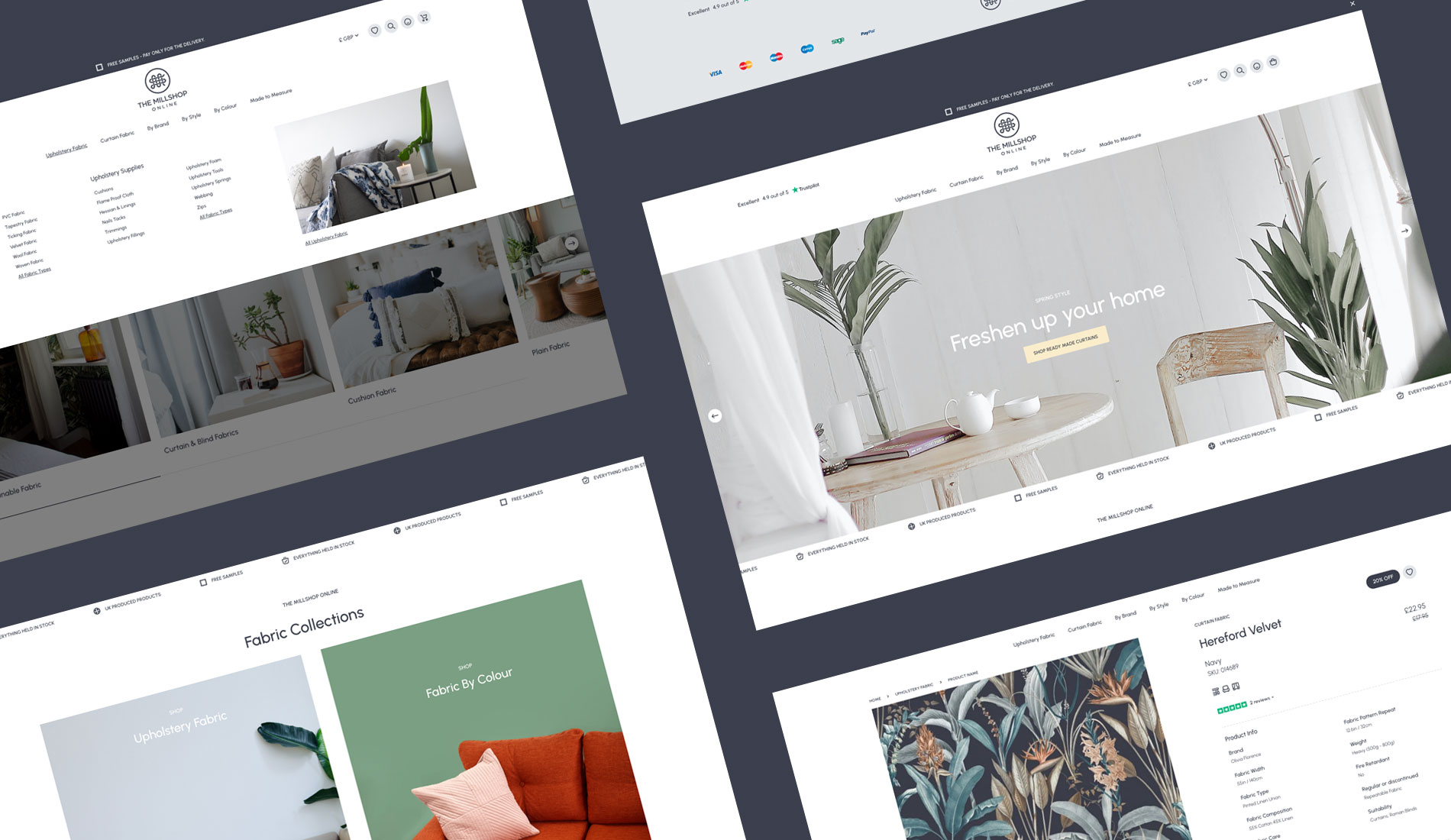
Shopify stores for focused eCommerce growth
Shopify is often the clearest fit for brands that want a reliable, streamlined eCommerce platform with strong day-to-day usability. It is especially effective for businesses that need a professional online shop, dependable checkout performance and a back end that non-technical teams can manage confidently.
This makes it attractive for both ambitious start-ups and established retailers moving away from outdated systems. Shopify can support product merchandising, promotional activity, mobile-friendly shopping journeys and app integrations without turning every update into a development project. Brands moving platform may also find our Magento to Shopify migration guide useful.
That said, Shopify is not automatically the answer for every online retailer. It works best when the business is comfortable with the platform’s ecosystem and commercial model. If your requirements are highly unusual, or if you need deeper customisation in certain operational areas, another route may offer better long-term value.
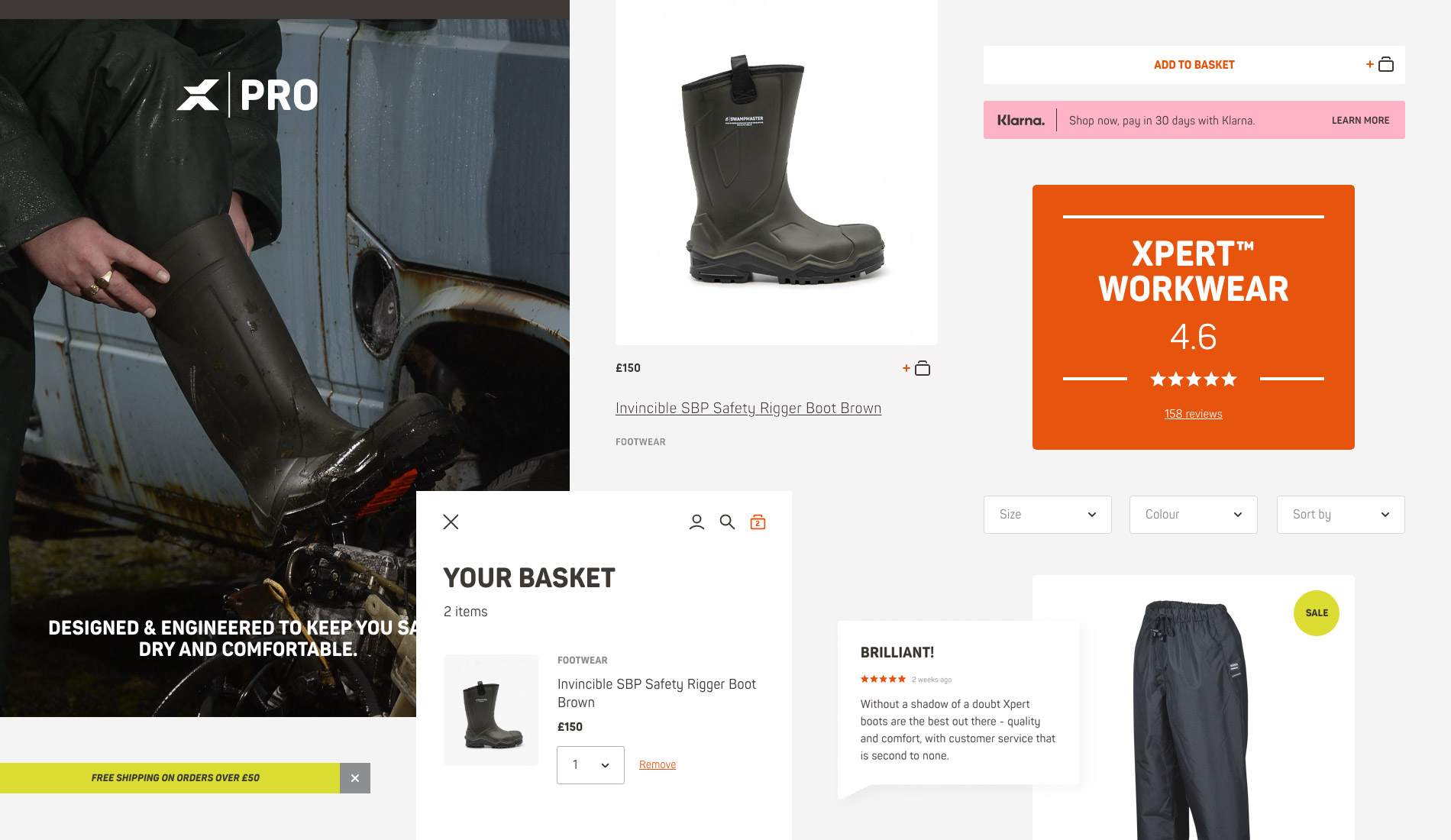
WooCommerce for brands that need flexibility
WooCommerce sits in an interesting position because it combines the content flexibility of WordPress with eCommerce functionality. For businesses that want richer editorial control alongside online selling, it can be a strong option.
This is often useful for companies where content and commerce work together. A lifestyle brand, specialist manufacturer, or service business with a product sales arm may benefit from a site that handles storytelling, search visibility, and transactions in a single environment. It can also work well for brands that want a more tailored experience than off-the-shelf eCommerce setups usually allow. Our WooCommerce vs Shopify comparison looks at that decision more closely.
The main consideration is complexity. WooCommerce can be highly effective, but it requires careful planning for hosting, plugin selection, performance, and maintenance. It rewards a thoughtful build. If handled casually, it can become harder to manage as product ranges and integrations grow.

Bespoke Laravel web applications for custom requirements
Some digital projects are not really websites in the traditional sense. They may include customer portals, quoting systems, booking tools, member areas, internal dashboards or workflow-driven platforms that need to do something highly specific. In those cases, a bespoke Laravel web app is often the better answer.
This is where custom development becomes commercially valuable. Rather than trying to force unusual requirements into a templated CMS, a Laravel build can be planned around the exact process, user role or business challenge involved. That could mean improving operational tasks, creating a better client experience or introducing a digital service that becomes a revenue stream in its own right. Our guide to web application development explains how these projects differ from standard websites.
The trade-off is obvious: custom projects require greater planning and more development time. But when the requirement is genuinely bespoke, a made-to-measure application is often far more effective than stitching together compromises.
What types of websites does Fhoke build beyond platform labels?
Platform names only tell part of the story. Decision-makers rarely invest in WordPress, Shopify or Laravel for their own sake. They invest because they need a site or digital product that improves performance in a measurable way.
In practice, that means projects tend to fall into a few business-led categories. There are brand-led websites that reposition a company and give it more authority in competitive markets. There are lead-generation websites built to drive enquiries, simplify journeys, and support sales conversations. There are eCommerce builds designed to increase conversion, average order value and repeat purchases. Then there are bespoke platforms created to support more specialist customer or internal processes.
That distinction matters because the same platform can support very different outcomes depending on strategy, UX planning and content structure. A website that looks fantastic but ignores real buying behaviour will always underperform. Strong results come from aligning design with intent. Our article on beautiful websites that convert covers this balance between design, UX and commercial performance.
The process behind the build matters as much as the build itself
One of the biggest mistakes buyers make is comparing agencies purely on visual style or platform preference. In reality, the quality of discovery, planning and execution has a huge effect on the final result.
A good website project should cover more than design mock-ups and development hours. It should include strategic thinking about audience needs, competitors, content hierarchy, conversion goals, CMS usability, SEO foundations, and future maintenance. It should also leave the client team equipped to manage the site properly after launch, with training and support rather than confusion from a sloppy handover. Our article on the web design process explains how this should work in practice.
That is especially important for growth-focused businesses. A site is not finished the day it launches. It needs to support campaigns, new landing pages, product expansion, content updates and ongoing refinement.
Which type of website is right for your business?
The honest answer is that it depends on what you are trying to achieve over the next three to five years, not just this quarter. If your priority is lead generation and content control, WordPress may be the right route. If you want an efficient eCommerce platform with a clear operational model, Shopify may be stronger. If content and commerce need to sit tightly together, WooCommerce can make sense. If your requirement is unique, bespoke Laravel development is often the right investment.
The best projects start with a conversation, not quick answers. What should the website actually do for the business? Where are leads, sales or users dropping away today? What does your team need to manage internally? And what needs to change so the site is still working hard a year after launch?
That is usually where the right website begins. Not jumping on the bandwagon with a trendy new platform, but with a clear commercial objective and the confidence to build around it.
If you’re feeling stuck, speak to one of the team members.


