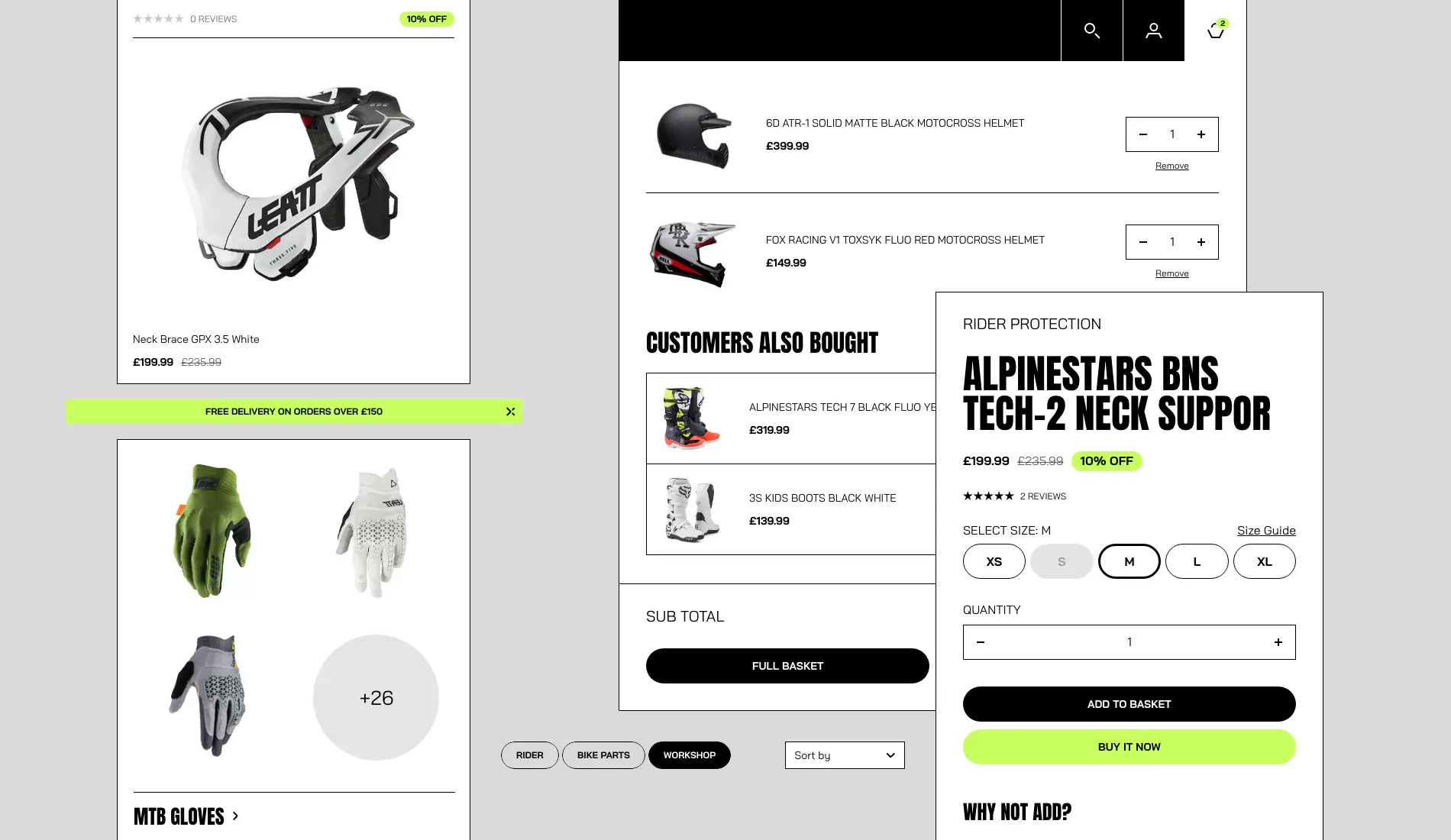
Picture this. A website launches looking exceptional, the brand feels sharp, and the visuals land. Internally, it’s celebrated, and externally, it gets attention. And then… nothing.
After 18 years as a London web design agency, we’ve heard it from clients knocking on our door more times than most teams would care to admit. Engagement stalls. Leads don’t come through as expected. Users arrive, hesitate, and quietly leave.
There are no obvious errors, no dramatic failure. Just underperformance, and the issue isn’t always the design, 90% of the time, it’s what sits underneath it. Because no matter how strong something looks, if the experience doesn’t support it, the outcome won’t follow.
This is where user experience design (UX) stops being a layer and starts becoming the thing that determines whether your website actually works.
What to Know
- Beautiful design alone doesn’t convert — UX determines outcomes
- Most UX issues are subtle but compound into lost leads over time
- Performance, clarity and flow shape trust more than visuals
- Fixing UX often delivers results faster than redesigning aesthetics
Attention is easy to win. Momentum is harder to keep.
Strong visual design does an important job by drawing people in. It sets a tone. It signals quality. But attention is only the first step. Once someone lands on your site, their focus shifts quickly from how it looks to how it behaves. In just seconds, a user will quickly decide:
- Can I find what I need?
- Does this make sense?
- Do I feel confident continuing?
If the answer to any of those questions is unclear, momentum drops. And momentum is everything.
Every visitor arrives with intent
Not every user lands with the same mindset. Some are ready to act, while others are either exploring or comparing. Others are trying to build trust before they take the next step.
Good UX doesn’t force them into a rigid journey. It meets them where they are and it answers the right questions at the right time:
- What is this?
- Is this relevant to me?
- Why should I trust it?
- What do I do next?
When those answers are easy to access, the experience feels smooth. When they’re buried, delayed, or unclear, effort builds, and that effort felt by a site visitor is where users start to drop off.
Friction rarely announces itself
One of the biggest challenges with UX is that problems are rarely obvious. The navigation technically works, the pages load and the forms submit. On paper, everything is functional. But function isn’t the same as flow.
Users might need to think harder than they should. They might hesitate before taking action. They might miss key information because it isn’t where they expect it to be.
Individually, these issues feel small. Together, they create resistance. And resistance kills momentum.
We often describe this to clients as “invisible drag”, the kind you don’t notice until performance starts slipping.
Polish can disguise problems. But it can’t fix them.
High-end visuals can make a website feel premium. Smooth transitions, striking layouts, cinematic motion, all of it contributes to perception. But that same layer can sometimes mask deeper issues.
We see sites where:
- animation slows down simple actions (and we’ve been guilty of this on our own website)
- layouts prioritise mood over clarity
- key information is delayed for the sake of storytelling
- navigation feels secondary to visual impact
Nothing is technically broken, but the experience becomes heavier than it needs to be, and when users are trying to make a decision, that extra weight matters.
This isn’t about stripping away the creativity. It’s about making sure the brand voice is supported by structure. The strongest work we deliver as a web design agency doesn’t choose between the two; it considers both angles deliberately.
How do we do that? We make sure that we plan a website first.
We don’t just dive into building a site; we first audit the sitemap, pages, language, and content, then present them to our clients as wireframes. We’re not blinding anyone with pretty flat visuals at this point; we are carefully considering how both the content and the page hierarchy will hang together.
Experience should match intent
Not every website needs to move at the same pace. Some experiences are intentionally immersive. They slow users down, build ambience, and create space to understand the brand’s craft or credibility.
When that aligns with user intent, it works.
But problems appear when sites borrow that approach without the same clarity of purpose. Take a law firm, for example. You wouldn’t expect that to be popping off all over the place. A law firm needs to feel trusted. A potential client is coming to the website for reassurance, seeking authority and trust, not to be immersed in an experimental design.
Good UX/UI isn’t about speed alone. It’s about alignment. The experience should support what the user is trying to do, not compete with it.
Trust is built through behaviour, not just messaging
Users don’t just read your brand — they experience it.
- Does the site respond when expected?
- Does it behave consistently?
- Does it guide clearly without confusion?
- Does it feel stable and reliable?
These signals shape trust before a single line of copy is processed. If something feels off (even slightly) users rarely analyse why. They simply become more cautious. And in commercial contexts, caution reduces conversion.
This is why UX is so closely tied to brand perception. It’s not just how your site looks. It’s how it behaves under real use.
Performance is part of the experience
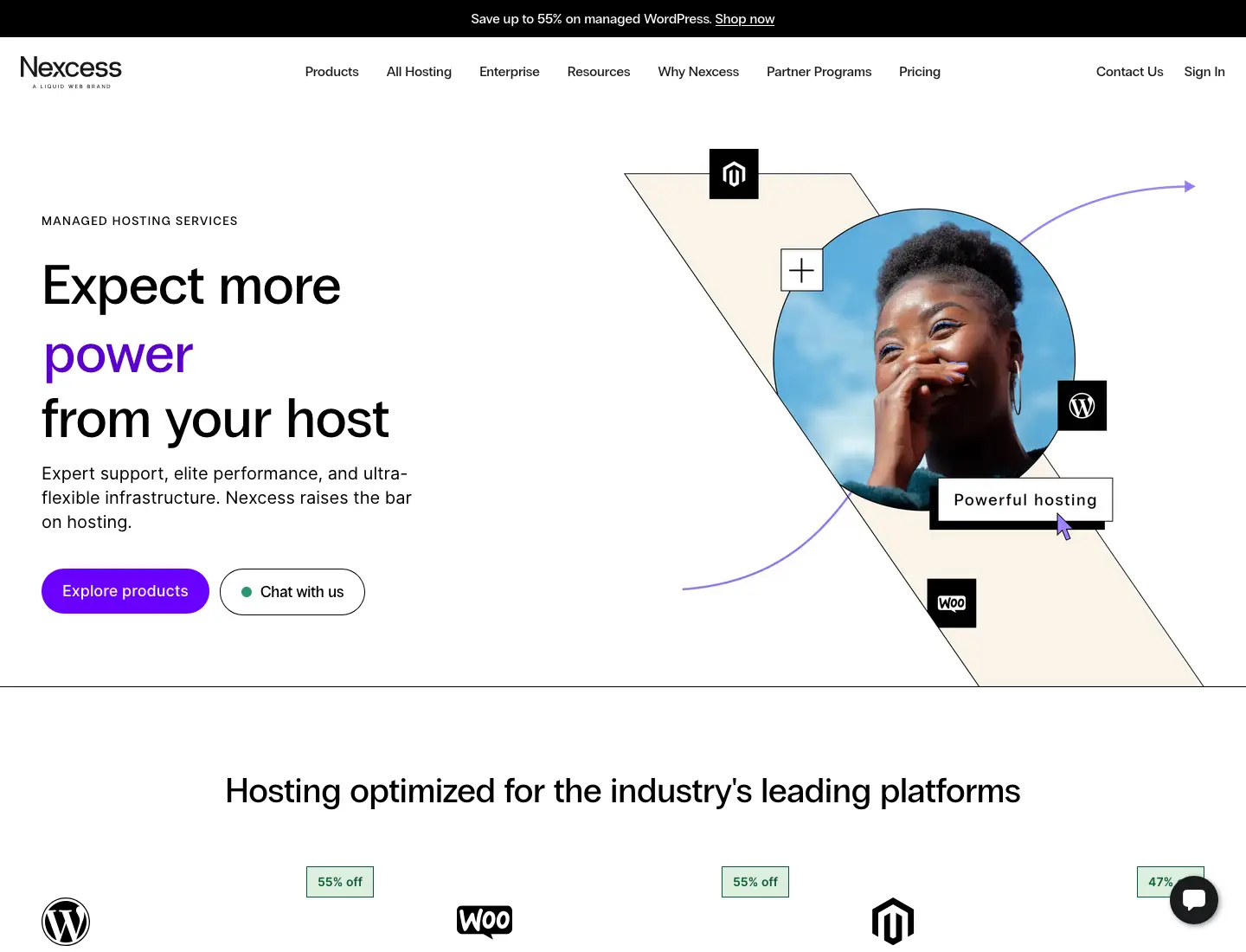
Speed is one of the clearest UX signals you can send. Users don’t think about it consciously until it’s not there. Delays interrupt flow, and they increase effort, introducing doubt. And no amount of visual refinement fully offsets that.
Over the years, we’ve seen how even small performance improvements can unlock meaningful gains, not because they change how a site looks, but because they reduce hesitation at key moments. Not to mention how it can improve a marketing team’s use of the CMS. No one wants to spend 30 seconds uploading an image when it should take one or two.
Performance isn’t a technical afterthought. It’s a core part of how your brand is experienced, which is why we consider hosting from the start of a project, as well as which plugins we’ll be using. We don’t need the backend features to be pulling everything down when everything else is being done right.
UX determines whether your strategy actually lands
You can have strong positioning, clear messaging and a well-defined offer, but if users struggle to navigate, understand, or act on that information, the strategy never fully translates.
We’ve worked on projects where the biggest gains didn’t come from visual redesign, but from restructuring the experience:
- simplifying navigation around real user intent
- clarifying hierarchy and content flow
- removing unnecessary steps
- improving speed and responsiveness
In many cases, performance improved before the final visual layer was even applied. That’s because UX isn’t decoration. It’s delivery.
What Next?
When something underperforms, it’s tempting to reach for surface-level change, new visuals, new layouts, more motion. But that often treats symptoms rather than causes.
A more effective approach is to step back and ask:
- What is the user actually trying to do?
- Where are they hesitating?
- What’s creating unnecessary effort?
- How can we remove it?
Once the experience works, design can elevate it. Not the other way around. A visually strong website should do more than attract attention. It should hold it, support it and ultimately convert it.
If your site looks the part but isn’t delivering results, the issue usually isn’t how it appears; it’s how it performs. UX shapes that performance quietly, over time, in the small moments users rarely articulate but always feel. Get that right, and everything else becomes more effective.
Miss it, and even the most beautiful website becomes an expensive missed opportunity. Talk to us if you’re having issues with your website, and let’s see where we can help.


