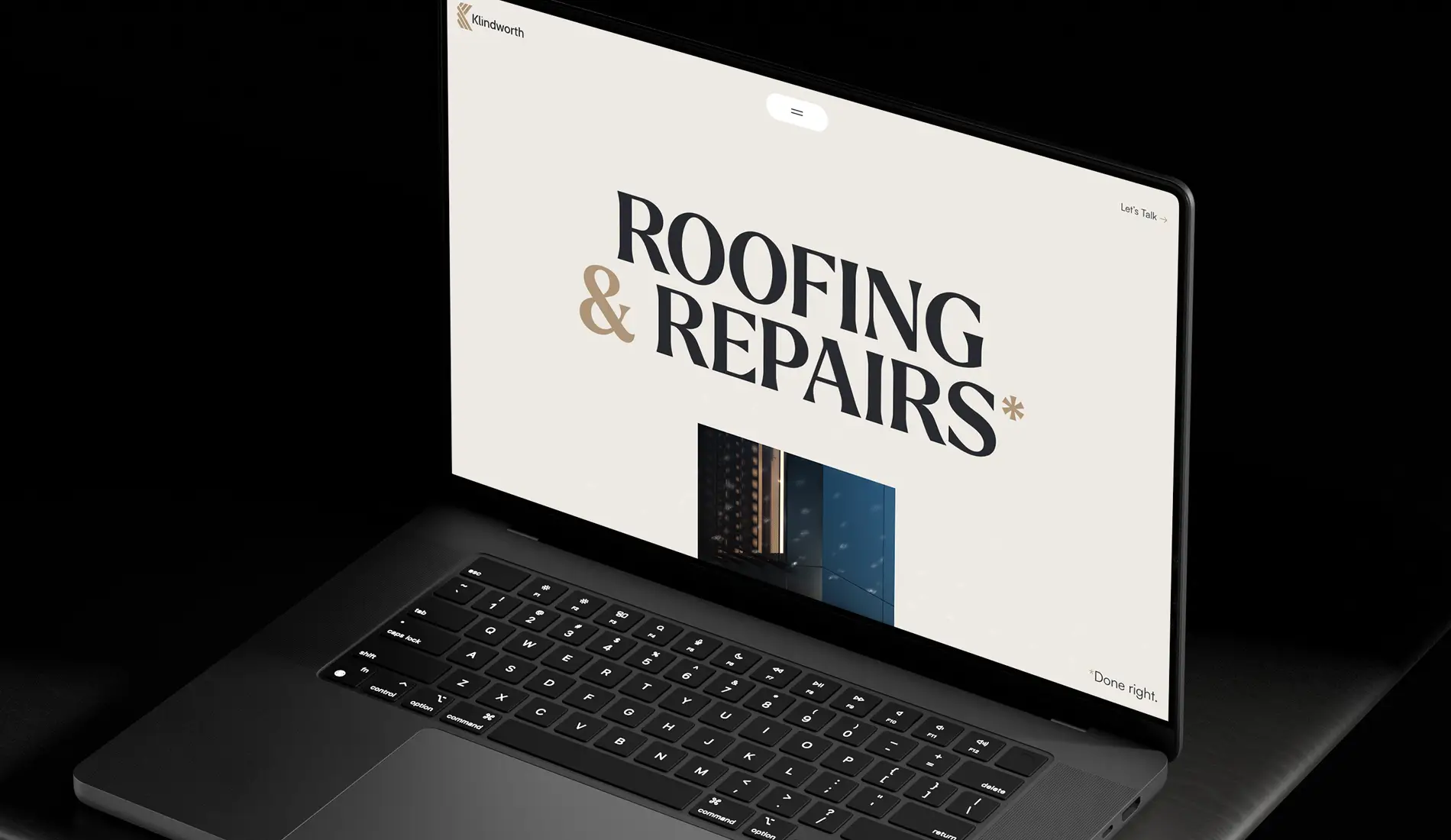
Can you call a redesign that wins awards but fails to improve enquiries a success? For most ambitious businesses, the real value of an award-winning London web design agency is not the trophy cabinet. It is the ability to turn something visually brilliant into a lead-gen powerhouse with stronger brand perception and better user journeys that genuinely support growth.
That distinction matters because many businesses arrive at the same point for similar reasons. Their site looks dated, the CMS is awkward, the brand feels inconsistent, or the platform no longer reflects the business’s scale. In some cases, traffic is healthy, but conversions are weak. In others, the site is visually polished yet difficult to manage internally or even to navigate. The right agency solves those issues, rather than treating design, development and performance as separate goals.
What an award-winning London web design agency should actually deliver
There’s no doubt that awards can signal quality; after all, we (Fhoke) boast 100 of them. But they are only useful if they reflect a disciplined process and better outcomes for clients. A strong agency should be able to show that its work is recognised not because it looks impressive, but because it is well considered, technically sound and has fulfilled the original brief and commercial goals.
That starts with strategy. Before a homepage concept is developed, there should be a clear understanding of the business, its audience, competitors, positioning, and growth targets. A website for a professional services brand will need a different structure, tone, and conversion path from those of a Shopify store or a bespoke Laravel platform. If that strategic thought is weak, the finished site may still look good, but it will struggle to perform.
UX planning sits at the centre of this. Good user experience is not about trend-led flourishes or overdesigned interfaces. It is about helping people find what they need quickly, trust what they see and take action without getting lost. That may mean simplifying navigation, tightening page hierarchy, improving mobile interactions or defining calls to action more clearly. Sometimes it also means resisting internal choices that make the site harder for customers to use.
Then there is the build itself. Great designs lose value fast if the site is slow, unstable or difficult to edit. Whether the project is delivered in WordPress, Shopify, WooCommerce, or Laravel, the underlying dev work needs to support speed, flexibility, security and future growth.
Why awards matter and when they don’t
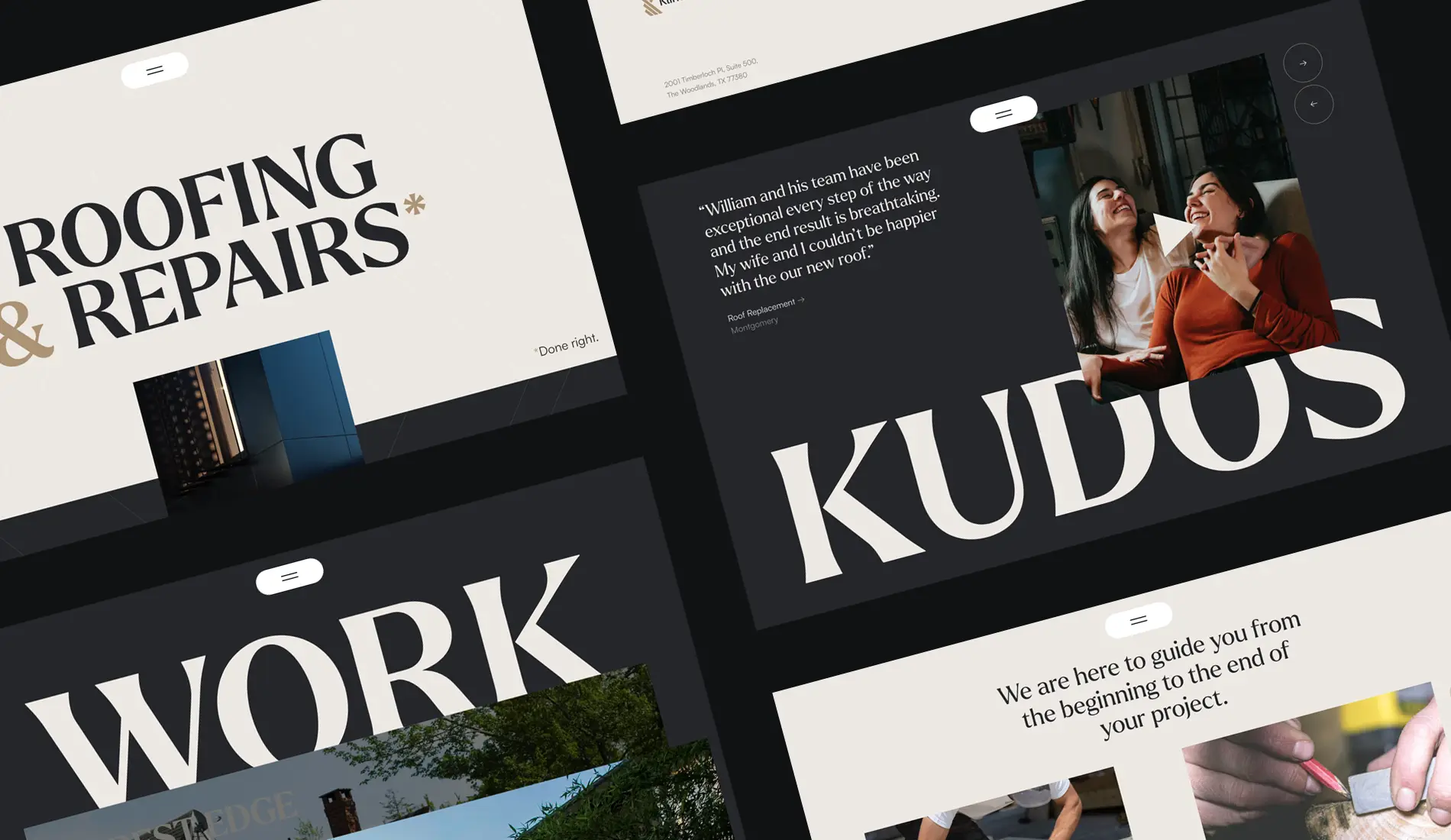
An awards record can be a useful filter. It suggests an agency cares about standards, originality and the quality of the end product. It may also indicate that the team has experience creating work that stands apart in competitive sectors, which is valuable for brands trying to sharpen their market presence.
But awards are not proof of suitability on their own. Some agencies produce visually striking work that is less convincing when measured against leads, sales, content management or post-launch support. Others may specialise in one type of client or one platform, which may not fit your needs. The question is not simply whether an agency has won recognition. It is whether that recognition sits alongside a mature delivery process and a track record of helping businesses move forward.
That is especially relevant for SMEs and larger organisations investing seriously in a rebuild or replatforming project. They rarely buy a homepage design in isolation. They are buying a clearer brand expression, better usability, stronger search foundations, easier internal management and a platform that can evolve.
How the best agencies connect creativity with performance
The strongest web projects do two jobs at once. They make the brand feel sharper and more credible, and they remove friction from the path to enquiry or purchase. If one side is missing, that value is lost.
A brand-led approach matters because digital credibility is now judged quickly. Buyers notice those pretty visuals you’re after, confidence in messaging, image quality, layout and that tactile attention to detail. A site that feels generic or outdated can quietly damage trust, particularly in competitive B2B and consumer markets. A polished design goes a long way to help a business look established; we’ve seen it time and time again. When we launch a new site, it outperforms the old one tenfold.
Performance matters just as much. The site must support SEO through and through, from editable metadata fields to the code and page speed. It should make lead generation easier with clearer contact routes, stronger landing pages and conversion-focused page layouts. For eCommerce, the detail runs deeper – product discovery, category structures, checkout flow and CMS all affect the bottom line.
This is where a full-service approach tends to outperform a purely visual one. Strategy, content structure, UX, development, testing and launch preparation all influence results. A site is rarely held back by one dramatic issue. More often, performance suffers because dozens of small decisions are handled without enough care.
Choosing an award-winning London web design agency for long-term value
The early chemistry in an agency pitch matters, but the practical questions matter more. You need to know how the agency thinks, how it works and how it will support the business after launch.
A good partner should be able to explain its process clearly. That includes discovery, planning, wireframing or UX, design, build, content population, testing, launch and training. If those stages are vague, it can lead to avoidable problems later, where delays and scope spiral into chaos or a finished site that looks fine but lacks practical use.
It is also worth examining how the agency handles collaboration. Strong projects usually involve structured feedback rounds, clear decision points and realistic guidance when your preferences clash with real-world user needs. That’s not us being difficult. It is about protecting the quality of the outcome based on our multi-sector experience.
Post-launch support is another useful test. Businesses change, campaigns evolve, teams grow, and new requirements emerge. A website should not become static the moment it goes live. Ongoing support, future feature development, CMS guidance and continued optimisation are often where the long-term return on investment is realised. That’s where you’ll get a real return on your investment.
Award-winning London web design agency expectations by project type
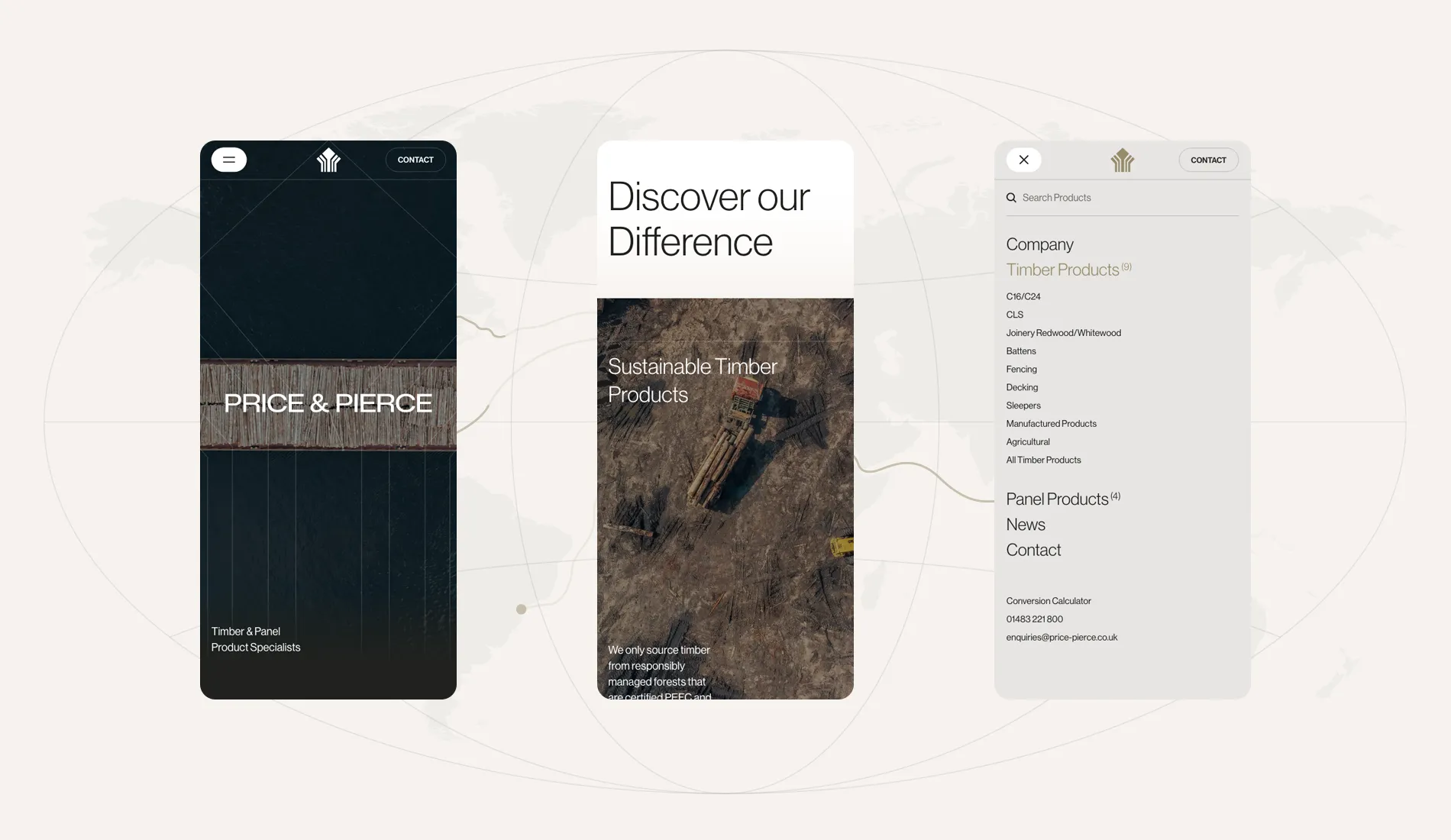
Not every project should be approached in the same way. A brochure website for a service business has different demands from a replatforming project or a bespoke application build.
For brand-led brochure sites, the focus is often on authority, clarity and lead generation. The challenge is to express the business with more confidence while making key services easier to understand and act on. Here, messaging hierarchy, case study presentation and trust signals can make a significant difference.
For eCommerce, commercial goals become more key. Platform choice, product architecture, promotional tools and backend usability all affect day-to-day performance. A beautiful storefront means very little if stock management, product updates or campaign landing pages are painful to manage.
For bespoke apps or more complex digital platforms, technical planning becomes a larger share of the project. Integration needs, workflows, user roles and long-term maintenance should shape the build from the start. This is where experienced teams stand apart from agencies that are stronger on visuals than systems thinking.
At Fhoke, that broader view is a core part of the value. The work is not treated as a one-off design exercise, but as a structured process built around brand strength, usability, technical fit and measurable business impact.
What ambitious businesses should look for next
If you are comparing agencies, look past surface-level polish. Ask how they define success. Ask what happens before design starts. Ask how they approach SEO foundations, page speed, CMS usability and stakeholder feedback. Ask who will still be there once the site is live and your team needs support.
An award-winning London web design agency earns its place by doing more than producing attractive pages. It helps a business present itself with greater authority, operate more efficiently and convert more of the attention it already earns. That takes creative standards, technical depth, and a process rigorous enough to withstand any scrutiny.
The best website projects tend to feel obvious in hindsight. The brand is clearer, the user journey makes more sense, the team can manage the platform with confidence, and the site is beginning to contribute meaningfully to growth. There’s a ton of work behind that, and you can lean in on our 18 years of experience, but that is a standard worth aiming for.
Get in touch with the team today, and let’s chat through your goals.


