We’re officially an adult. Apparently, that means we can vote, sign contracts and make our own questionable decisions. Fortunately, we’ve already had plenty of practice at the last two.
On 1 August 2008, Fhoke officially came into existence. The iPhone was barely a year old, Instagram didn’t exist, websites were still wearing glossy buttons without a hint of embarrassment, and nobody had asked an AI assistant to rewrite a paragraph in a “more professional but still friendly” tone.
Fast-forward 18 years and quite a lot has changed. We’ve gone from creating flat designs for other agencies to delivering complete brands, bespoke WordPress websites, Shopify stores, complex booking platforms, custom Laravel apps and, more recently, our own AI-powered WordPress products.
Through all of that change, the important bits have stayed the same. We’re still a small, close-knit team. We still care far too much about the details most people will never consciously notice, and, umm, that might just have created a few passionate conversations. And we still get a slightly unreasonable amount of satisfaction from turning an awkward business problem into something simple, useful and good-looking.
So, before anyone asks whether we feel older and wiser: older, yes. Wiser is probably for somebody else to decide.
Eighteen years and counting
Reaching 18 feels BIG! Not only because we now have an excellent excuse for cake, but because surviving in the creative and technology industries for nearly two decades is no small thing.
Since 2008, we’ve worked through a financial crash, a pandemic, political uncertainty, shifting markets, disappearing social platforms, returning social platforms, countless browser updates and more “website design is dead” articles than we could possibly count.
It turns out website design wasn’t dead. It was just evolving.
What businesses expect from their websites has changed dramatically. A site is no longer a handful of attractive pages and a contact form. It may need to manage thousands of products, power a booking journey, connect to a CRM, generate qualified leads, support several languages, communicate with third-party systems or provide an entire operational platform for the people running the business. Phew!
That growth has suited us. We’ve always enjoyed the visual side of the work, but we’re equally interested in what happens underneath it: the journeys, integrations, systems and small decisions that turn a nice-looking website into a valuable business tool.
Our process is still built around the same four stages—Plan, Create, Deliver and Grow—but the breadth and complexity of what we can deliver within those stages has grown enormously.
At 18, Fhoke isn’t just a studio that designs websites anymore. We’re a digital design and development agency that builds brands, online stores, web apps and products designed to last for the long haul.
Small team, big milestones
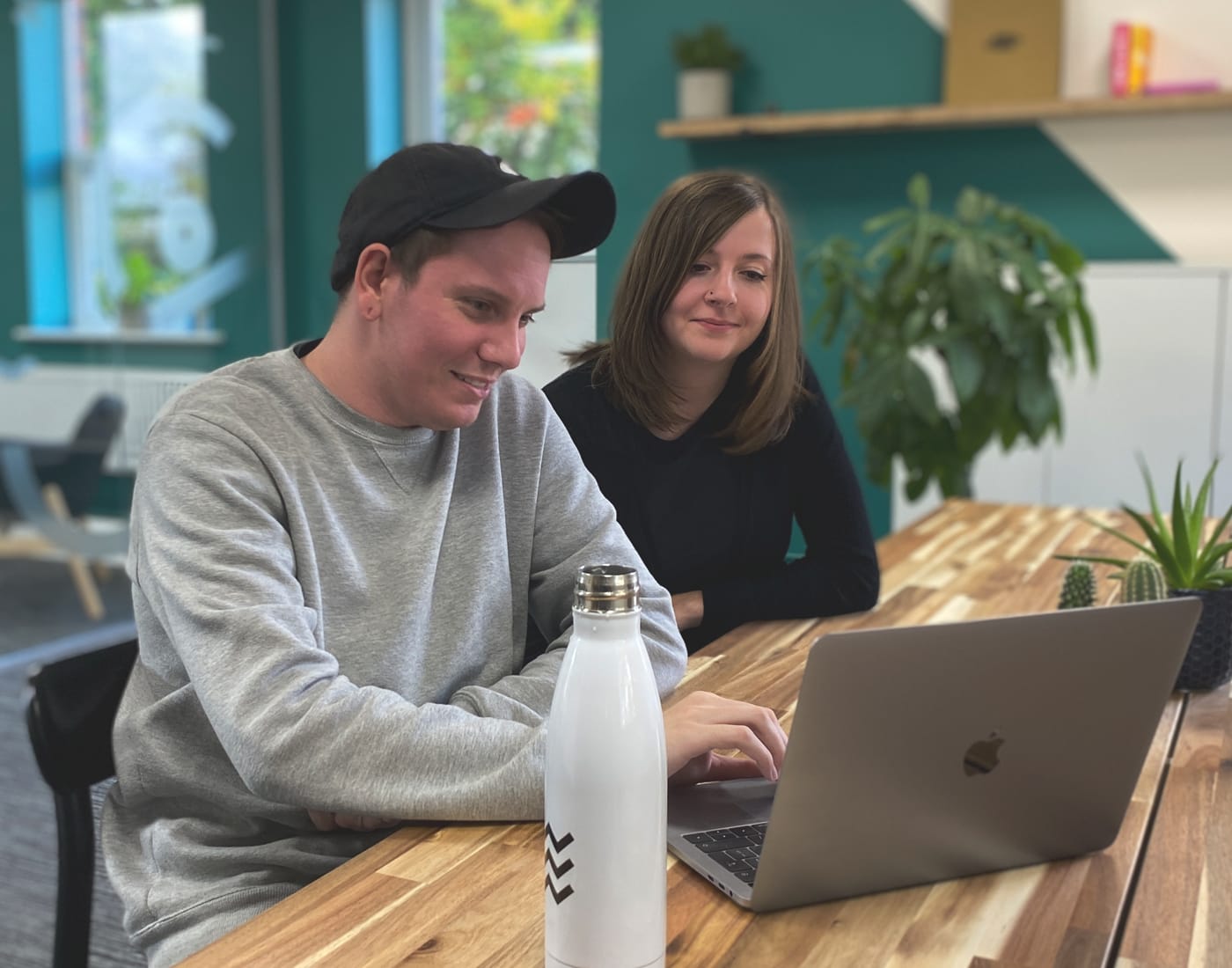
The most important part of Fhoke’s story has never been a platform, a piece of software or an award. It’s the people behind the work.
Fhoke remains agile, personal and full of people who genuinely enjoy working together. We’d rather have a small team with deep experience and a shared sense of ownership than add layers of management for the sake of looking bigger.
And, somehow, everyone is still here.
That might sound like a small detail, but in an industry known for people changing agencies every couple of years, it means a great deal. It means the knowledge gained from one project feeds directly into the next. It means our processes are shaped by years of working together rather than being reinvented every few months. And it means our clients work with a team that understands the history behind the decisions we make.
In the year ahead, Seb and Grant will both celebrate 11 years with Fhoke, while Kasia will reach eight. That’s a fairly ridiculous amount of combined experience for a team our size—and a lot of shared breakfasts, project launches, bugs and debates over whether something needs another two pixels of spacing.
Seb has continued to expand the technical side of the studio, particularly through Laravel, complex WordPress development and the AI products we’re now bringing to life. Grant continues to turn ideas into polished digital experiences, while Kasia keeps projects organised, moving and considerably less chaotic than they might otherwise become.
None of the work featured in this article belongs to one person. Every project benefits from the team’s combined thinking—from strategy and user experience to visual identity, development, content management and the testing that happens before anybody is allowed near the launch button (which isn’t shiny BTW).
That collective involvement is one of the benefits of staying small. Nobody disappears into a department. Everyone has a voice, everyone contributes, and everyone cares about the result.
Over 140 reasons to celebrate
When we celebrated our sixteenth birthday, we had collected more than 120 awards and accolades. Two years later, another 20 have been added to the cabinet, taking us beyond 140.
Not bad for five people working from Salisbury, London and various carefully arranged home offices.
Awards have never been the sole reason we create something. A website’s real success is measured by what it does for the organisation behind it: generating enquiries, increasing sales, simplifying a process, strengthening a reputation or giving a team a destination they’re proud to send customers to.
Still, recognition from Awwwards, CSS Design Awards and other respected platforms is a welcome sign that the care we put into the work is visible outside the studio. It helps our clients receive wider recognition, gives the team a reason to celebrate and reassures us that spending an afternoon refining a transition wasn’t completely unreasonable.
The latest additions include recognition for projects spanning education, travel, property, hospitality and search. That variety is something we’re particularly proud of. We’ve never wanted to repeat the same design for the same type of organisation. We want each project to feel like the client it represents.
We’ll leave the detailed counting to the award platforms and spreadsheets. The important number for this birthday is 140-plus—and the fact that every one of those awards represents a client who trusted our team to create something memorable.
The work that shaped our eighteenth year
Eighteen years in, the projects that excite us most are still the ones where design and development have to work together to solve something meaningful.
Sometimes that means helping somebody find a country house for a once-in-a-lifetime celebration. Sometimes it means creating a booking platform for luxury accommodation at Formula 1 weekends. Sometimes it means helping parents understand an entirely different approach to education.
The sectors may be worlds apart, but the challenge is often similar: take something complex, give it structure and turn it into an experience that feels simple.
The Pop-Up Hotel
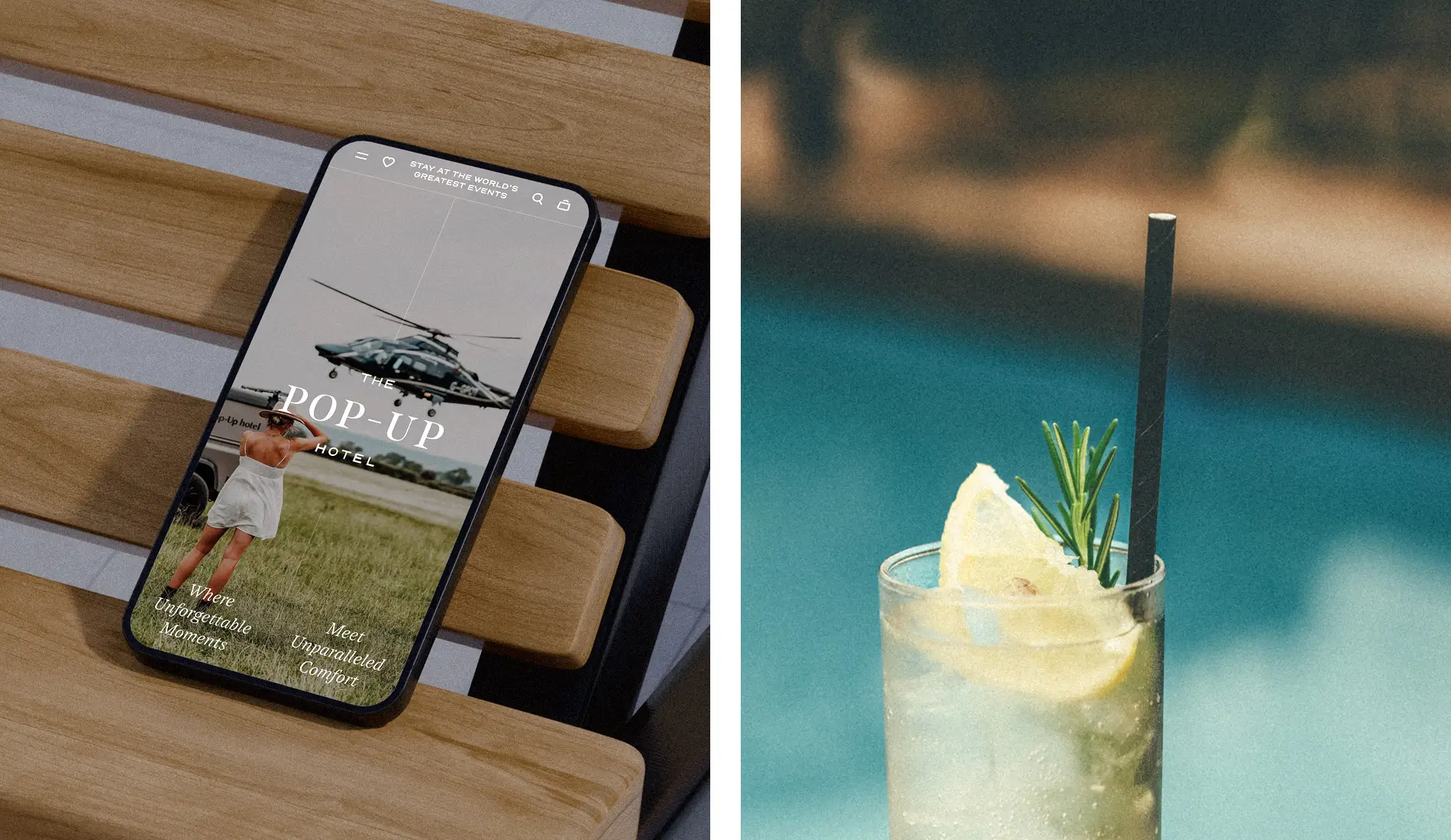
From Glastonbury and Silverstone to Monaco and Monza, The Pop-Up Hotel creates luxury temporary hotels at some of the world’s greatest events. These aren’t tents with a nicer-than-average pillow. Each destination combines premium accommodation with hospitality, dining, entertainment and added services to create an experience that can rival a permanent luxury hotel.
The business had built an outstanding reputation, but its digital identity and booking experience no longer reflected the sophistication or scale of the offering. Our job was to bring the brand, storytelling and technology together into one premium experience.
Large-format photography, bold typography and carefully paced layouts immerse visitors in each destination, helping them picture the experience before guiding them towards a room or package. Behind that polished surface is a bespoke WordPress and WooCommerce theme designed to handle multiple events, room types and seasonal launches.
We built custom booking functionality to manage deposits, staggered payments, upsells and reporting, giving guests a smooth path from inspiration to reservation while giving The Pop-Up Hotel team control over a complicated and constantly evolving offer.
The result is part luxury travel website, part booking engine and part operational platform—built to support international growth without making life harder behind the scenes.
Landed Houses
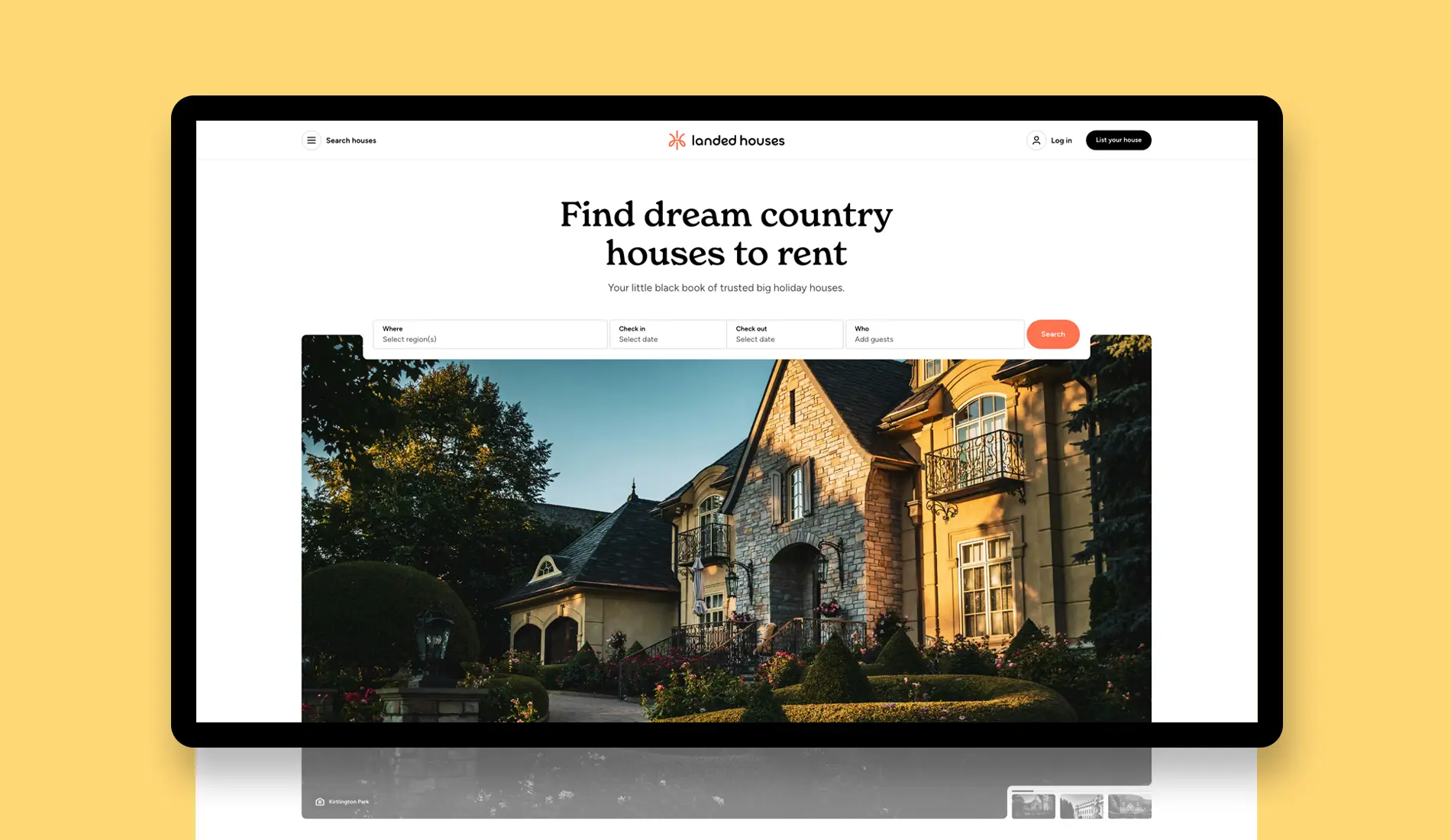
Landed Houses is a little black book of Britain’s biggest and most memorable houses to rent for parties, holidays, weddings and celebrations. The properties are full of character, but the previous brand and website were getting lost among generic accommodation platforms.
We created a new identity rooted in heritage, warmth and trust, then carried that personality into a bespoke WordPress website designed around imagery and ease of use. Generous layouts allow each house to tell its own story, while a carefully planned journey lets guests move from searching to making a booking request in as little as three clicks.
There was plenty happening behind the curtains, too. The previous site had evolved through years of themes, third-party tools and bespoke plugins, creating a setup that was becoming increasingly difficult to maintain.
We migrated hundreds of properties and rebuilt the platform on a more sustainable foundation. New accounts allow property owners to upload and manage their own listings, including automatically compressing photography, while guests can submit individual or bulk booking requests. Enhanced filters make it easier to find the right property for a particular event, date or group.
It’s a good example of what an effective redesign should achieve: a stronger brand for the public, a simpler experience for customers and considerably less administration for the people running the service.
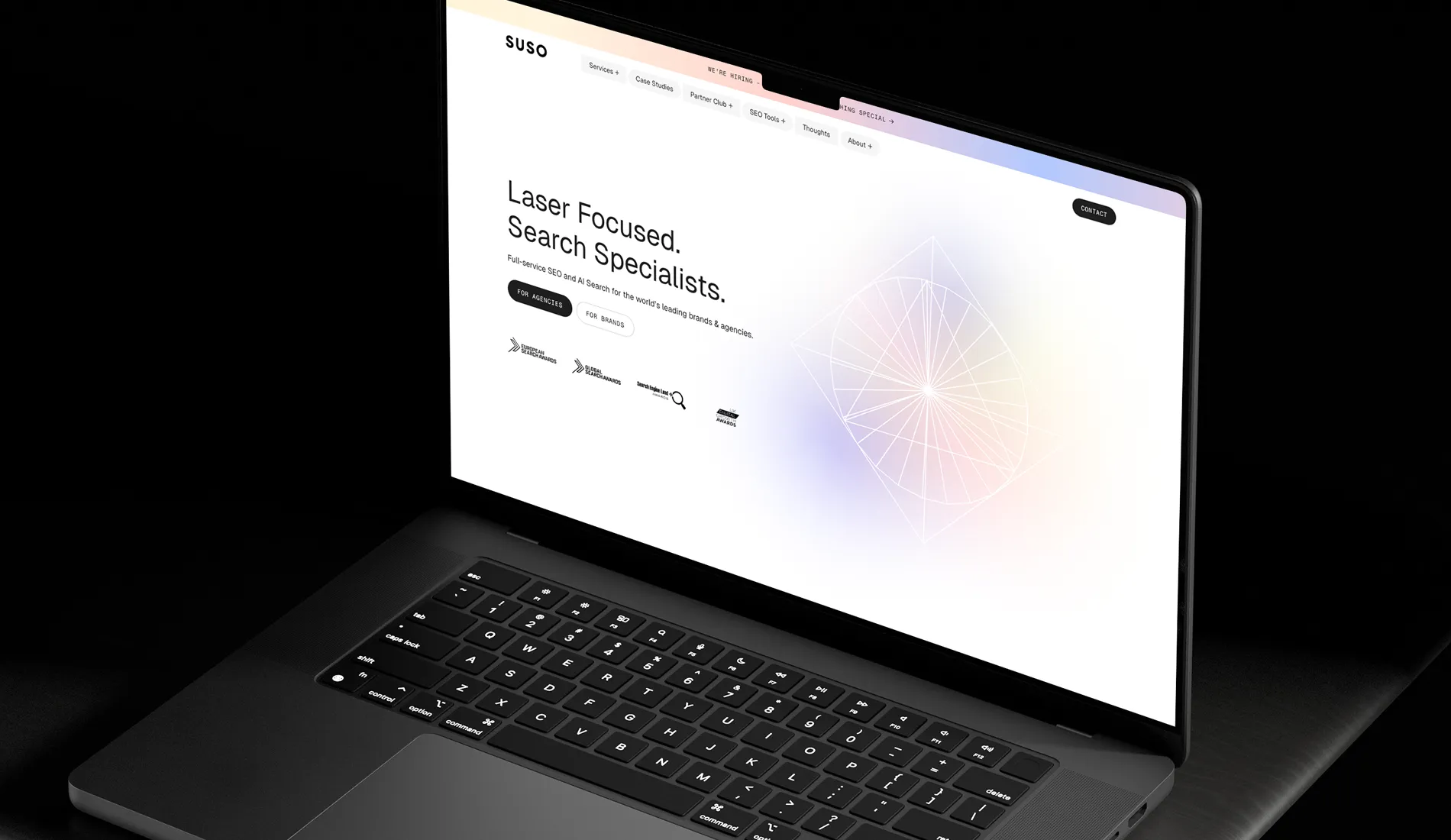
SUSO
When your client is an agency specialising in SEO and AI Search for some of the world’s leading brands, there’s nowhere for a new website to hide.
SUSO is known for engineering complex, scalable organic growth, but its visual identity no longer reflected the sophistication of the work or the momentum of the team behind it.
We refreshed the brand and created a bespoke WordPress website that gives SUSO a more confident, distinctive and grown-up presence. The new identity introduces greater clarity and energy while giving the agency a flexible system it can use consistently across its website and wider communications.
The project also reflects how search itself is changing. SEO is no longer limited to ranking a blue link on a traditional results page. Brands increasingly need to consider how their expertise is understood and surfaced through AI-powered search experiences, answer engines and conversational interfaces.
Creating a website for a team working at the edge of that shift gave us an opportunity to combine a sharp identity with a website that boasts authority.
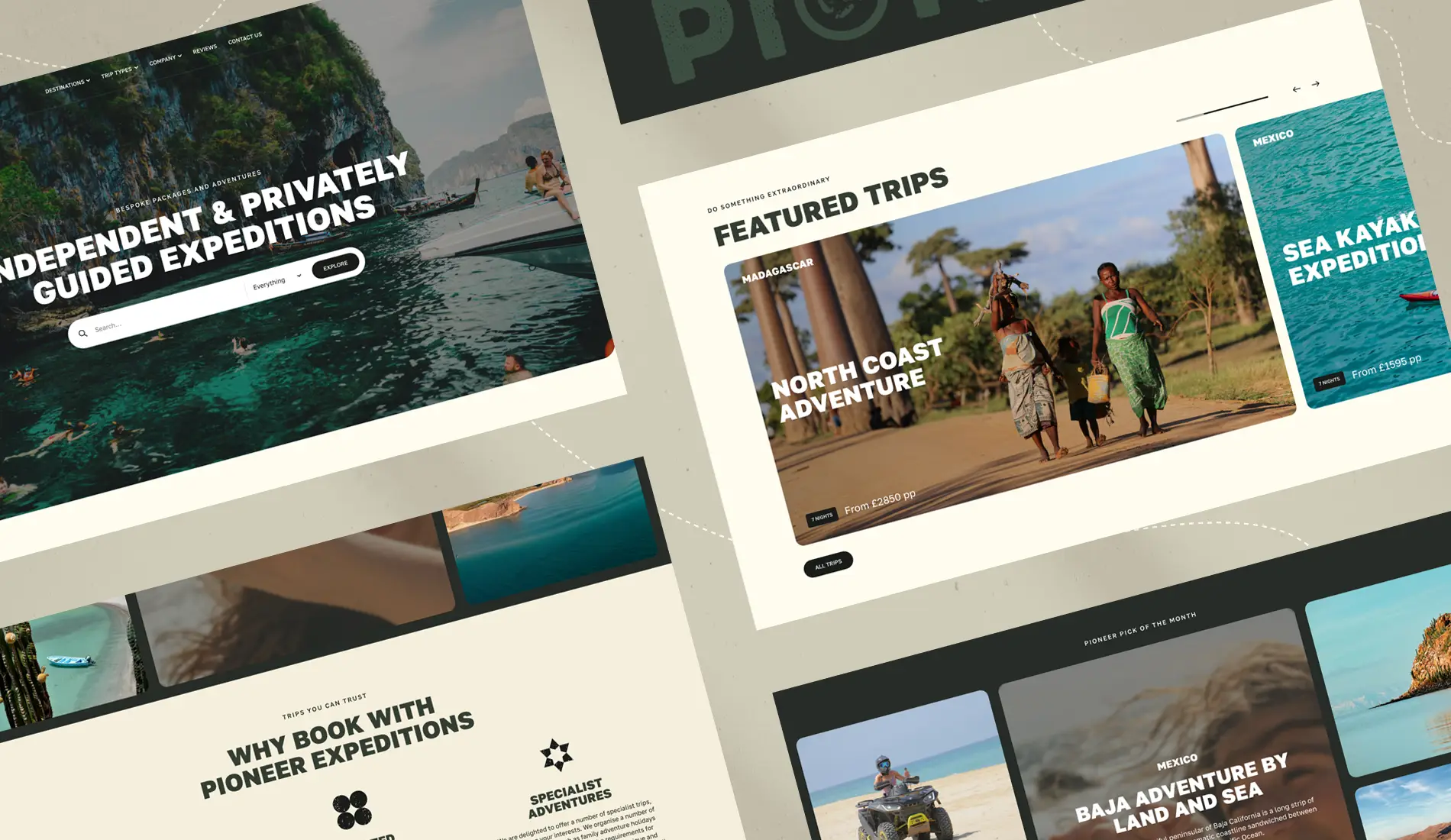
Pioneer Expeditions
Pioneer Expeditions creates the sort of journeys that make a weekend at the local caravan park feel slightly underambitious. From wildlife encounters and cultural discoveries to remote adventures and luxury escapes, the team designs tailor-made experiences for travellers who want something beyond the ordinary.
The quality and individuality of the trips weren’t coming through in the company’s previous identity. It had become difficult to distinguish Pioneer from more generic travel providers, while the website had grown into a patchwork of themes, plugins and third-party tools.
We created a refreshed identity rooted in exploration, trust and expertise, then built a bespoke WordPress website around immersive storytelling. Large-scale imagery and confident typography introduce destinations with impact, while a simpler navigation structure helps visitors to browse by travel style, from tailor-made itineraries and escorted groups to specialist adventures.
Behind the scenes, existing trips and itineraries were migrated into a scalable content system that is considerably easier to manage. Visitors can move naturally from inspiration to enquiry, and the Pioneer team has a future-proof platform that can grow with the range of experiences it offers.
It’s adventurous without becoming difficult to navigate—which is probably the ideal balance for a travel website, even if the trips themselves involve rather more danger.
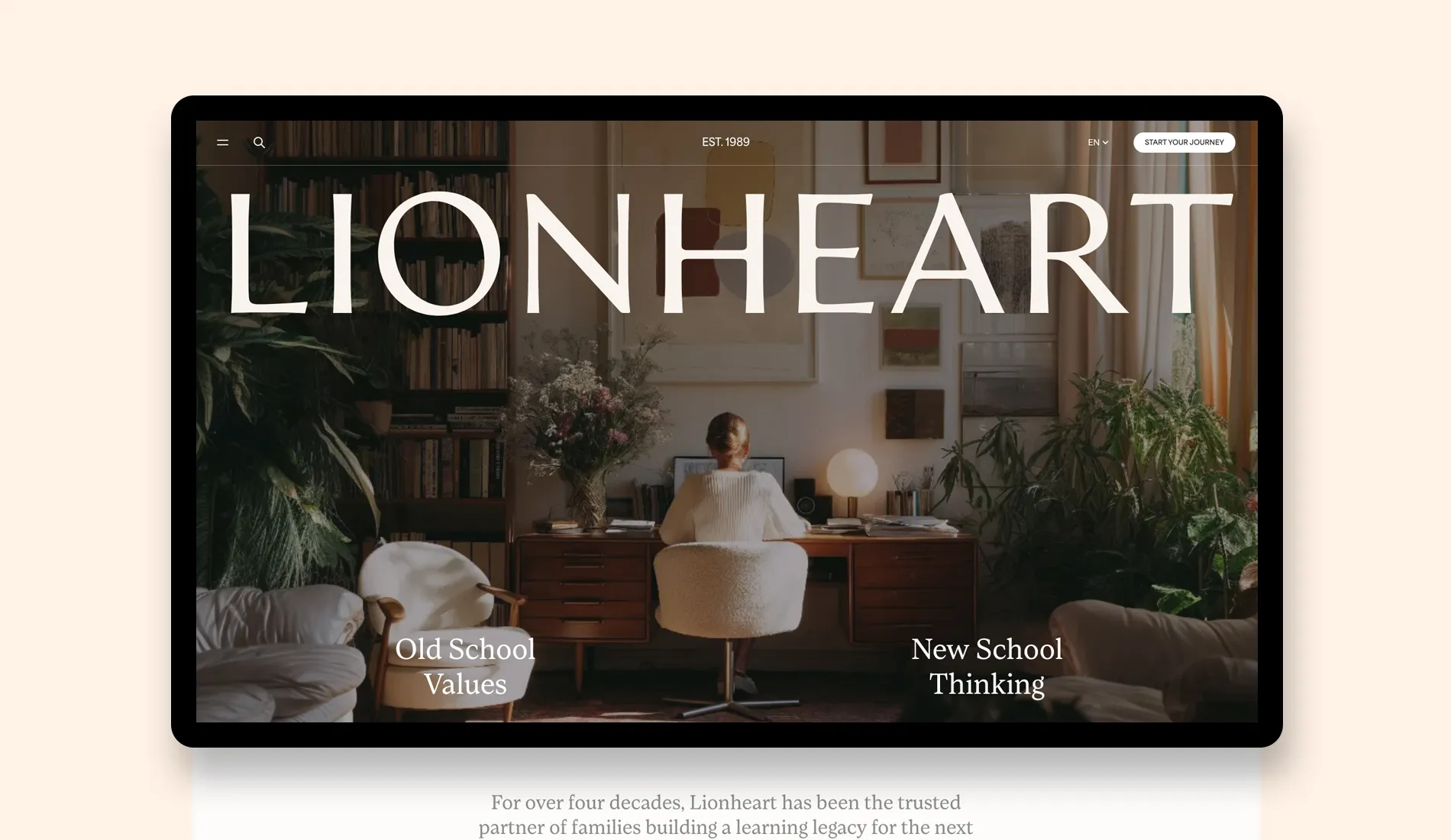
Lionheart Education
Since 1989, Lionheart Education has offered a rare model of one-to-one education in West London. With a maximum intake of just thirteen students, the school provides a highly personalised experience within a calm and structured environment.
The existing visual identity had stagnated and no longer reflected the level of care, confidence and individual attention behind the school. We refined the logo and monogram, introduced a calmer palette and created a modern design system that feels premium without becoming cold or unapproachable.
The website follows the same principles. Spacious layouts and subtle motion create a composed experience that mirrors Lionheart’s approach to learning. Content is carefully structured to help parents understand the school, explore its academic offering and move through the admissions journey with confidence.
The WordPress build integrates with HubSpot so enquiries can be captured, tracked and nurtured centrally. Predictive search helps families find information quickly, while bespoke promotional banners allow the team to publish important messages either across the site or on selected pages.
The end result is a digital presence that feels distinctly Lionheart: thoughtful, focused, reassuring and built around the needs of each student and family.
Building our own things
Client work will always sit at the heart of Fhoke, but one of the most exciting changes over the past couple of years has been our growing ability to turn the problems we encounter into products of our own.
When you’ve spent 18 years designing and building websites, you become very familiar with the small frustrations that slow people down. Editors jump between browser tabs. Teams copy content from one tool to another. Images are uploaded without alternative text. Search boxes fail because somebody used a slightly different phrase. Useful content exists, but people can’t find it.
Rather than accepting those frustrations as part of the job, we’ve started building tools to fix them.
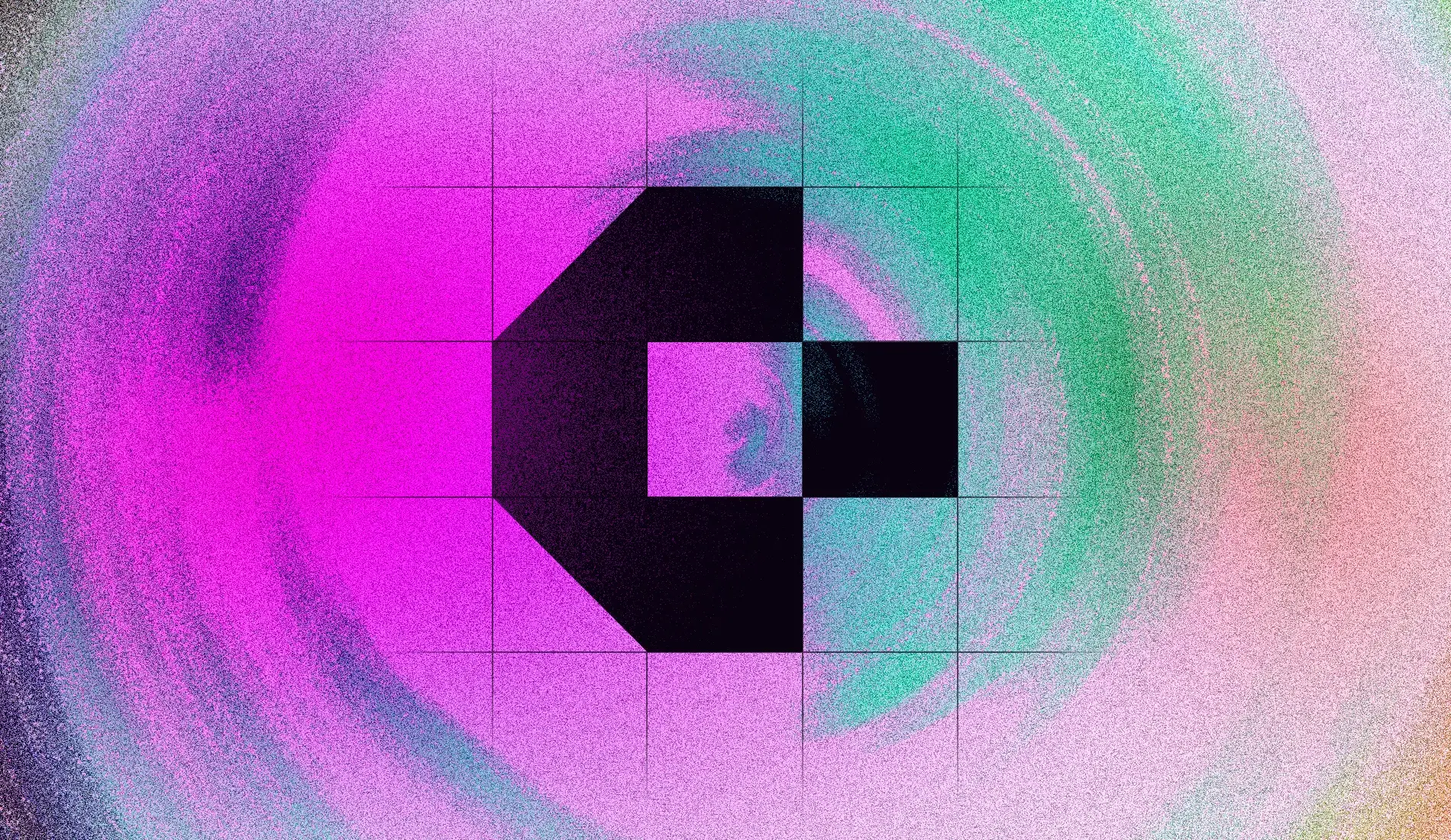
Cortex AI
Cortex AI is our native content-creation plugin for WordPress. It brings AI-assisted writing, editing, media generation and accessibility tools directly into the WordPress admin, removing the need for content teams to keep bouncing between separate platforms.
The principle behind Cortex is simple: useful AI should fit into the way people already work. It shouldn’t feel like an awkward third-party tool that has been bolted onto the side of WordPress.
Editors can rewrite, expand, condense or summarise text from within the Block Editor, Advanced Custom Fields and WooCommerce product descriptions. They can generate titles and excerpts, shift content towards a professional or more personal tone, and apply rules that help maintain a consistent brand voice across multi-author websites.
Cortex also brings image generation, stock-image search and accessibility support into the WordPress Media Library. Alternative text can be generated automatically as new images are uploaded, while existing media libraries can be processed in batches to improve older content.
Rather than locking users into a single AI company, Cortex supports multiple providers, including OpenAI, Google Gemini and Stability AI. That flexibility allows each organisation to select the right service for the job and gives the plugin room to evolve as new models and providers emerge.
It’s a practical product rather than AI for the sake of putting the letters “AI” on a sales page. It solves everyday editorial problems, reduces repetitive work and keeps the human editor in control.
Cortex Search
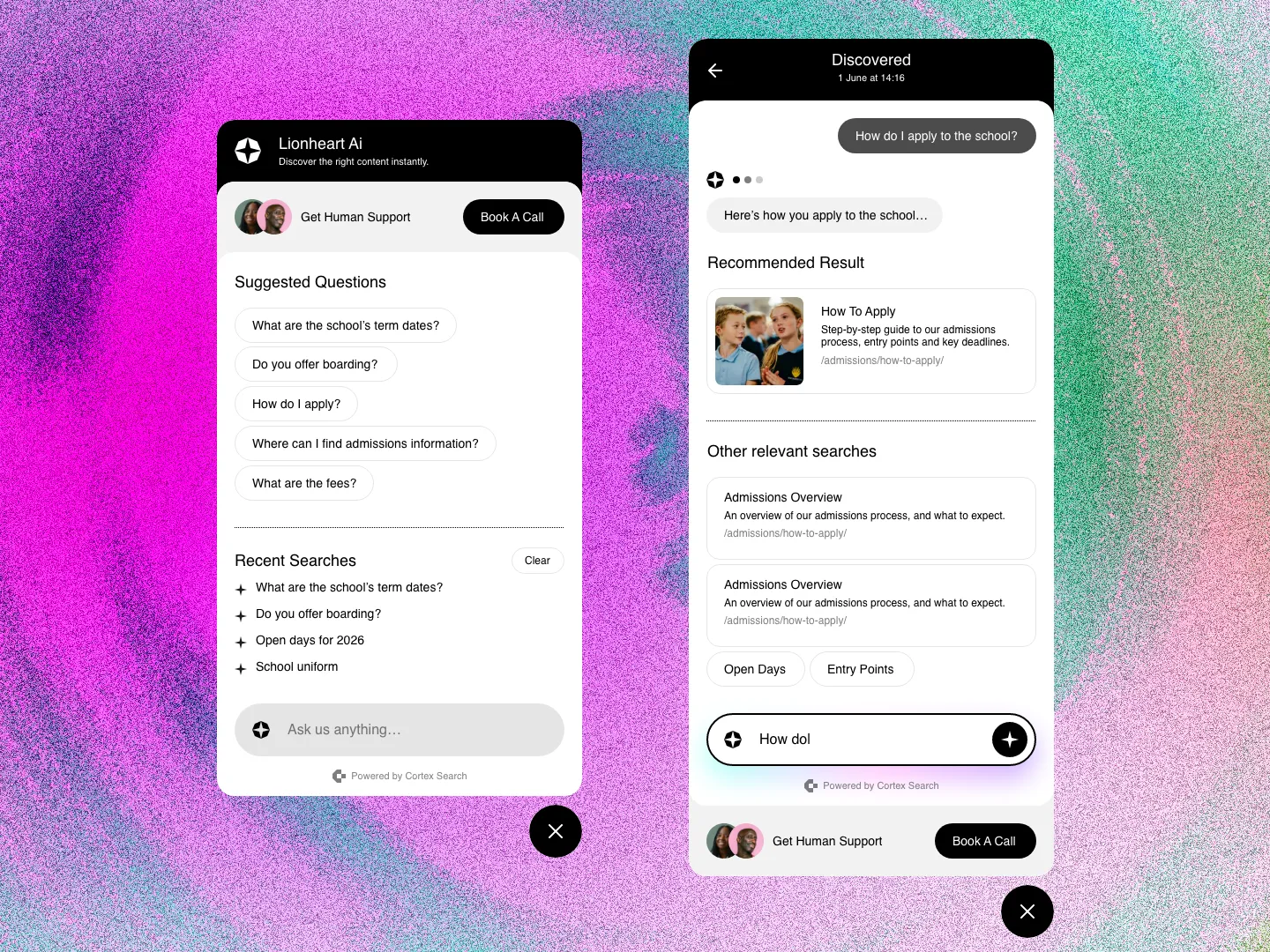
That same thinking has led to Cortex Search: an optional AI-powered search experience that we can bundle with suitable website builds.
Traditional website searches rely heavily on exact words. They work well when somebody already knows the correct phrase and where the answer is likely to live. They’re less helpful when users are unfamiliar with an industry, use everyday language instead of company terminology or simply don’t know what they should be searching for.
Cortex Search is designed to understand intent rather than simply match keywords. Instead of entering a rigid search phrase, users can ask questions naturally, just as they would when speaking to a member of the team.
On a recruitment website, that might mean asking, “How quickly can I hire temporary staff?”, “Where is my nearest branch?”, “How do I register for job alerts?” or “What jobs are available near me?”. The system can interpret the question and surface relevant vacancies, services, locations, FAQs, articles and next steps.
The search tool remains accessible throughout the website, offering predictive suggestions as somebody types and guiding them towards popular or relevant content. Smart recommendations can connect a question with related services, resources and conversion journeys, such as submitting a vacancy, searching for jobs, contacting a branch or booking a conversation.
It offers some of the familiarity of a conversational AI assistant without the weight and maintenance of a fully managed chatbot. More importantly, it makes the content already sitting within a website considerably easier to discover.
Search behaviour can also reveal where users are struggling or where information is missing. Those insights help organisations improve FAQs, identify new content opportunities and understand the questions their audiences are actually asking—not just the ones everybody assumed they would ask in the initial sitemap meeting.
As AI-led discovery becomes more common, we expect website search to become less like a box for keywords and more like an intelligent layer connecting people with the right answer or action. Cortex Search is our approach to making that experience useful, accessible and grounded in the organisation’s own content.
Same Fhoke, more strings to our bow
It would be easy to look at our AI products, platforms and complex integrations and assume Fhoke has become a completely different business. In some ways, we have. The things we can build today would have seemed wildly ambitious when we opened the doors in 2008.
But the principles behind the work haven’t changed.
We still believe a good project begins with understanding the problem rather than choosing the technology. We still believe visual identity matters because people make judgements quickly. We still believe websites should be straightforward for visitors and manageable for the teams who inherit them. And we still believe technology is most valuable when it quietly makes something easier.
The platforms and tools will continue to change. WordPress will evolve, AI models will improve, and somebody will invent another device we have to test responsive layouts on. Our job is to keep learning without chasing every shiny object that appears.
That balance—between experience and curiosity—is probably the most useful thing we’ve gained from reaching 18.
Cheers to eighteen & Here’s to Year Nineteen
Looking back, 18 years is difficult to summarise neatly. It’s hundreds of clients, thousands of designs, millions of lines of code and an alarming quantity of coffee.
It’s the first project from a new business and the third redesign for a client who has been with us for over a decade. It’s the nerves before a major launch, the relief when everything works and the occasional urgent message about something that was definitely fine yesterday.
It’s also the relationships we’ve built. The clients who trusted us before we had a cabinet full of awards. The clients who returned years later. The partners, freelancers and suppliers who helped us deliver work beyond the studio. And the team who kept showing up for one another through the easy years and the complicated ones.
We’re proud that the Fhoke turning 18 is recognisably the same agency that started in 2008, just with more experience, better processes and considerably less enthusiasm for glossy web buttons.
We’re proud that everyone is still here. We’re proud to have passed 140 awards. We’re proud of the brands, websites, stores and applications we’ve launched. And we’re especially proud that, after nearly two decades, we’re still excited about what we might build next.
We may officially be adults, but we have no intention of becoming boring.
Here’s to 18 years of Fhoke—and to whatever comes next.
If you have an ambitious brand, website, online store or digital product in mind for the year ahead, get in touch with the team and tell us what you’re planning.


