A business can spend heavily on a new logo, polished visuals and a smarter website, then still struggle to gain traction. Usually, the issue is not from a lack of effort; it is confusion around the difference between branding and brand development. They are closely related but not interchangeable, and treating them as the same often leads to expensive work that looks better but performs no better.
For growth-focused businesses, that distinction matters. Branding affects how your company is seen in a moment. Brand development shapes how that perception is built, strengthened and carried forward over time. One is highly visible. The other is broader, more strategic and more commercially significant than many teams first realise. Our branding services are designed around that broader commercial picture.
This Article Will Cover:
- What To Know
- What branding actually means
- The difference between branding and brand development
- Why businesses often confuse the two
- Branding without development can look good but drift
- Brand development without branding stays stuck in theory
- How the two work together in real projects
- Where websites expose the gap fastest
- How to tell what your business needs right now
- A better way to think about brand investment
What To Know
- Branding is the visible expression of a business — including logo, typography, colours, messaging, tone of voice and website design — while brand development is the broader strategic process that defines positioning, audience alignment and long-term growth direction.
- Branding creates recognition and first impressions, but without brand development behind it, businesses often end up with inconsistent messaging, unclear positioning and websites that look polished but fail to convert effectively.
- Brand development includes audience insight, competitor analysis, messaging structure, customer journey thinking and implementation across every touchpoint — ensuring the brand works consistently across sales, marketing, digital platforms and future campaigns.
- High-performing brands need both strategy and execution working together: strong brand development gives the business direction, while effective branding translates that strategy into websites, content, UX and visual systems that build trust and support commercial growth.
What branding actually means
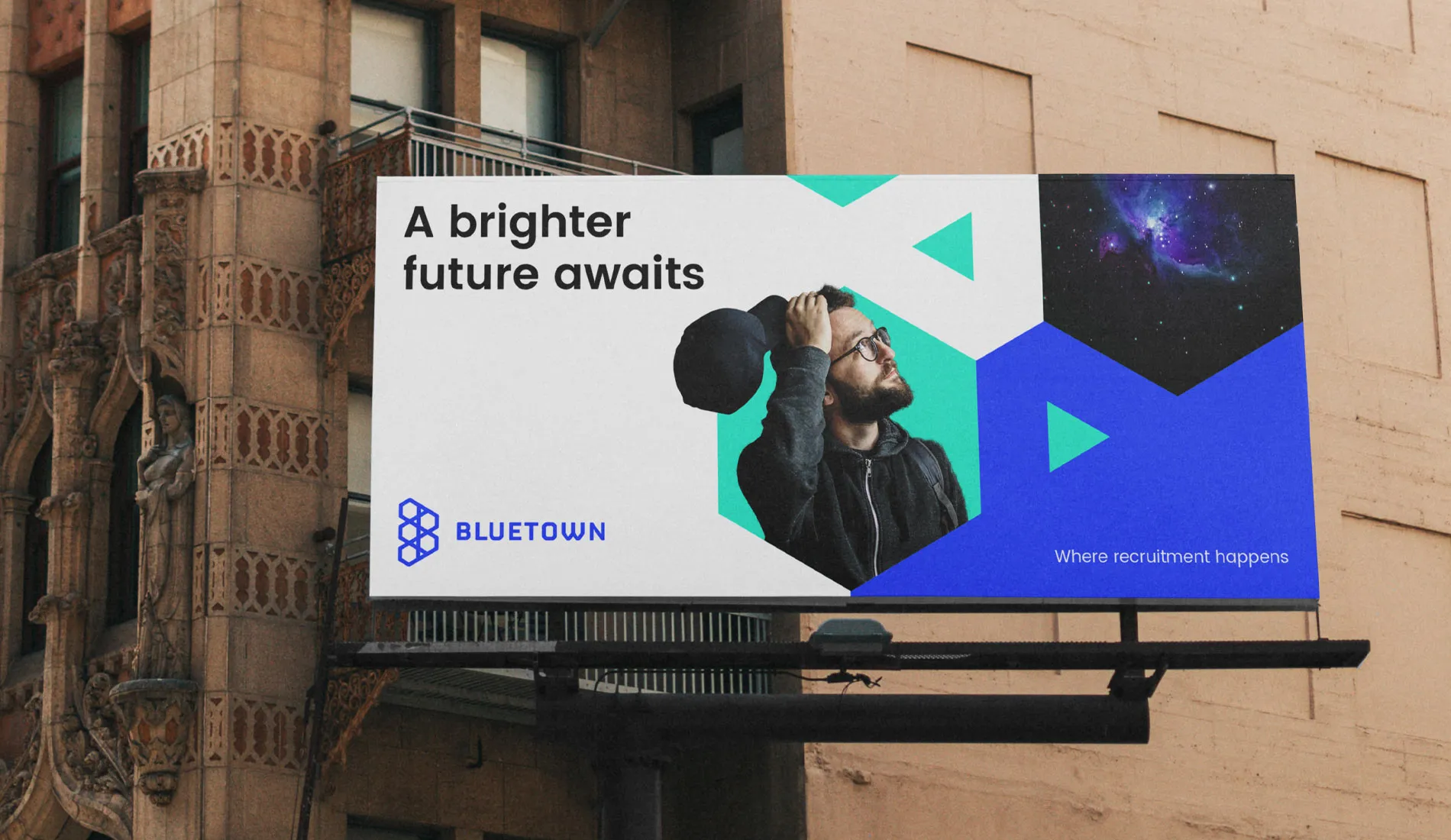
Branding is the expression of your brand. It includes the visible and verbal elements people use to recognise you and form an impression. That might mean your logo, typography, colour palette, photography style, tone of voice, messaging hierarchy, packaging, signage, social assets and website design.
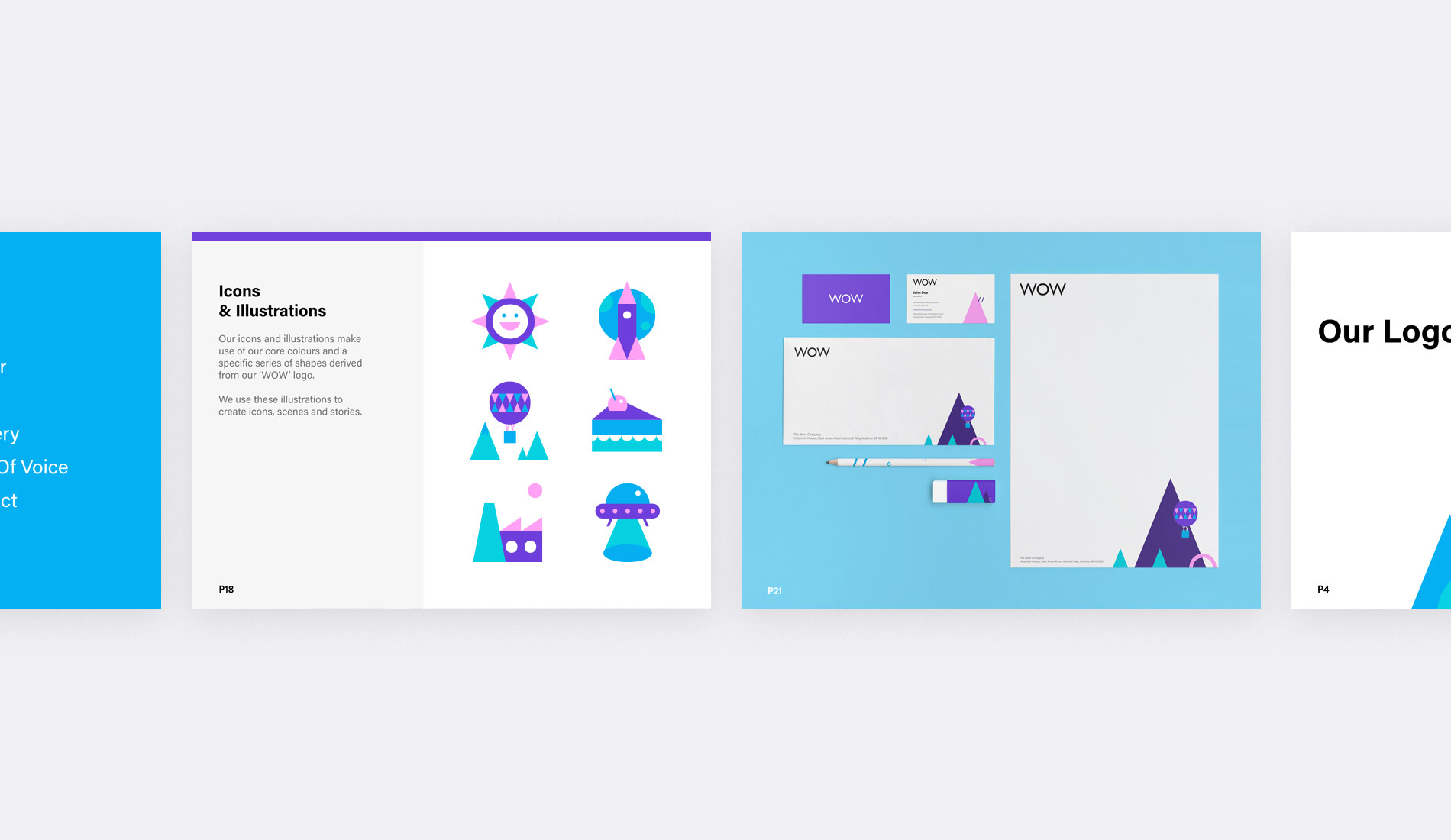
Done well, branding creates clarity and consistency. It gives customers cues they can remember. It helps a business look credible, intentional and differentiated rather than generic. In crowded markets, those signals matter quickly. Prospects often make a very quick judgment about quality, professionalism and trust long before they read a detailed service page or speak to your team. Projects like Price Pierce and WOW Company branding demonstrate how strong branding helps to shape that perception.
But branding on its own is not the full picture. A visual identity can be sharp and still fail to support growth if it is disconnected from customer needs, market position or commercial goals.
The difference between branding and brand development
If branding is the expression, brand development is the process behind it and beyond it. Brand development covers the strategic work that defines what the brand stands for, who it serves, how it is positioned, how it should evolve, and how that thinking translates into customer experience across every touchpoint.
That usually includes audience insight, competitor analysis, market positioning, brand proposition, messaging structure, personality, customer journey thinking and long-term implementation. It also involves the less glamorous but critical part: making sure your brand is applied consistently across sales material, digital platforms, internal teams and future campaigns.
So the difference between branding and brand development comes down to scope and timescale. Branding is what people see and hear. Brand development is the ongoing strategic discipline that shapes, tests and improves those expressions so they support business growth.
Hint: A useful way to think about it is this: branding gives your business a recognisable face. Brand development gives it direction.
Why businesses often confuse the two
The confusion is understandable because branding is the part you can point to. A new identity, a redesigned homepage or a refreshed brochure feels tangible. Brand development often happens earlier, across workshops, planning sessions, decision-making frameworks and implementation standards. It is less visible, but it is what stops a rebrand from becoming an expensive coat of paint.
This is where businesses can go wrong. They commission branding when what they really need is deeper brand development. Or they invest in strategic brand thinking and then underfund the rollout, leaving the new direction half-expressed and inconsistently applied.
Neither route gets the full return. Strong brands need both.
Branding without development can look good but drift
A polished visual identity can create a strong first impression, but if the underlying strategy is weak, the brand starts to pull in different directions. Sales uses one message. Marketing uses another. The website sounds premium while the proposal deck feels generic. Social media looks lively, but the actual service experience says something else.
This kind of drift is common when branding is treated as a design task rather than a business tool. The assets exist, but there is no clear framework guiding how the brand should show up, what it should emphasise, or how it should adapt as the company grows.
For businesses investing in a new website, this gap becomes especially obvious. A site can be beautifully designed and technically sound, yet still underperform if the brand proposition is vague, the messaging lacks focus, or the user journey does not reflect what buyers actually need to see before making contact. Our article on how bad UX affects performance explores this further.
Brand development without branding stays stuck in theory
The opposite problem also happens. A company may have done the strategic work, defined its audience, sharpened its positioning and agreed on what sets it apart. But if that thinking is not translated into design, content and digital experience, the market never really sees the value.
That is why brand development should not end with a workshop or a slide deck. It needs to inform tangible delivery. Your website structure, copy, visuals, calls to action, case studies and CMS setup should all reflect the brand direction. If they do not, the strategy remains internal while customers meet something far less convincing.
This is one reason the strongest digital projects begin with more than aesthetics. They connect strategy, UX, content and technical build so the brand works in practice, not just on paper. Our website design approach is built around that principle.
How the two work together in real projects
In practical terms, branding and brand development are most effective when handled as connected stages rather than separate purchases.
A business may begin with brand development because it has outgrown its current position. Perhaps the company has expanded its services, entered a more competitive sector or wants to appeal to larger clients. In that case, the first step is to clarify the market opportunity, audience expectations, and commercial direction. Branding then expresses that strategy in a way people can recognise and trust.
In other cases, a business starts with branding because the outward presentation is clearly outdated. That can still work, provided the project does not stop at surface-level design decisions. The visual refresh should lead into wider brand development questions: does the messaging still fit, does the website journey support conversion, does the tone reflect the calibre of work, and can the team apply the new identity consistently?
It depends on the business’s maturity, the urgency of the problem, and the scale of change required. What matters is knowing which problem you are trying to solve.
Where websites expose the gap fastest
Websites are often where the difference between branding and brand development becomes impossible to ignore. They sit at the meeting point of perception, content, usability and conversion.
If branding is weak, the site feels forgettable. If brand development is weak, the site may look polished but struggle to generate leads or sales due to a lack of strategic clarity. The messaging does not land, the structure feels muddled, and users are left unconvinced.
A high-performing website needs both. It needs a confident visual system and a clear brand narrative. It needs strong UX informed by customer priorities, not internal assumptions. It needs content that accurately and persuasively reflects the business. It also needs the practical foundations – search visibility, speed, mobile performance, flexible CMS editing and future scalability – because brand experience is not only about appearance. It is also about how reliably and smoothly the digital product performs. Our guide on websites that convert covers this balance between UX, messaging and performance.
That is where many organisations benefit from working with an agency that can connect strategic brand thinking with design and technical execution. Fhoke’s approach, for example, is built around that full picture rather than treating web design as a one-off creative exercise.
How to tell what your business needs right now
If your company looks inconsistent, dated, or visually underpowered, you may need a brand refresh. If your business has changed direction, struggles to explain its value, attracts the wrong enquiries or lacks alignment across channels, you likely need brand development first.
Often, the answer is both, just not in equal measure. A scaling business may need substantial brand development with a targeted identity refresh. A well-positioned business with tired creative assets may only need lighter strategic work and stronger branding rollout.
The key is being honest about where the friction sits. Is the issue how your brand looks, or is it how your business is positioned and communicated? If you solve the wrong problem, the work may still be good, but it will not move the business far enough.
A better way to think about brand investment
Branding is not decoration. Brand development is not a theory. Both are commercial assets when approached properly.
The strongest brands are built with intent, then expressed with consistency across every meaningful touchpoint. That means your identity, website, content and customer journey should all support the same promise. When they do, trust builds faster, marketing works harder and growth feels less dependent on constant reinvention.
If your brand currently feels out of step with the business you are trying to become, start by asking a sharper question than whether you need a rebrand. Ask whether you need better expression, better direction, or both. That is usually where better decisions begin. And, if you feel stuck, that’s where we come in; speak to one of our experts.


