
For schools that want design freedom, admissions-focused journeys, flexible publishing and long-term integration options, WordPress is a strong CMS choice. A proprietary school platform can still be sensible when a school values a standardised package and faster procurement over flexibility. The key question is whether the website is being treated mainly as an information service or as a strategic admissions and marketing platform.
CMS comparison for schools
| Requirement | WordPress | Proprietary school platform |
|---|---|---|
| Design freedom | Excellent | Usually more template-led |
| Admissions journeys | Highly customisable | Usually standardised |
| Structured content | Excellent | Varies by provider |
| Third-party integrations | Broad API/plugin/custom options | Depends on vendor |
| Editorial control | Excellent when well configured | Often straightforward |
| Vendor lock-in | Lower | Higher |
| Fast standard deployment | Good | Often excellent |
| Best fit | Strategic, differentiated school websites | Schools wanting a packaged solution |
Schools have more audiences than most organisations
A school website may need to serve prospective parents, existing parents, pupils, staff, governors, alumni and job applicants. The CMS has to support admissions marketing and day-to-day practical information without allowing one to bury the other.
Why Fhoke has used WordPress for school projects
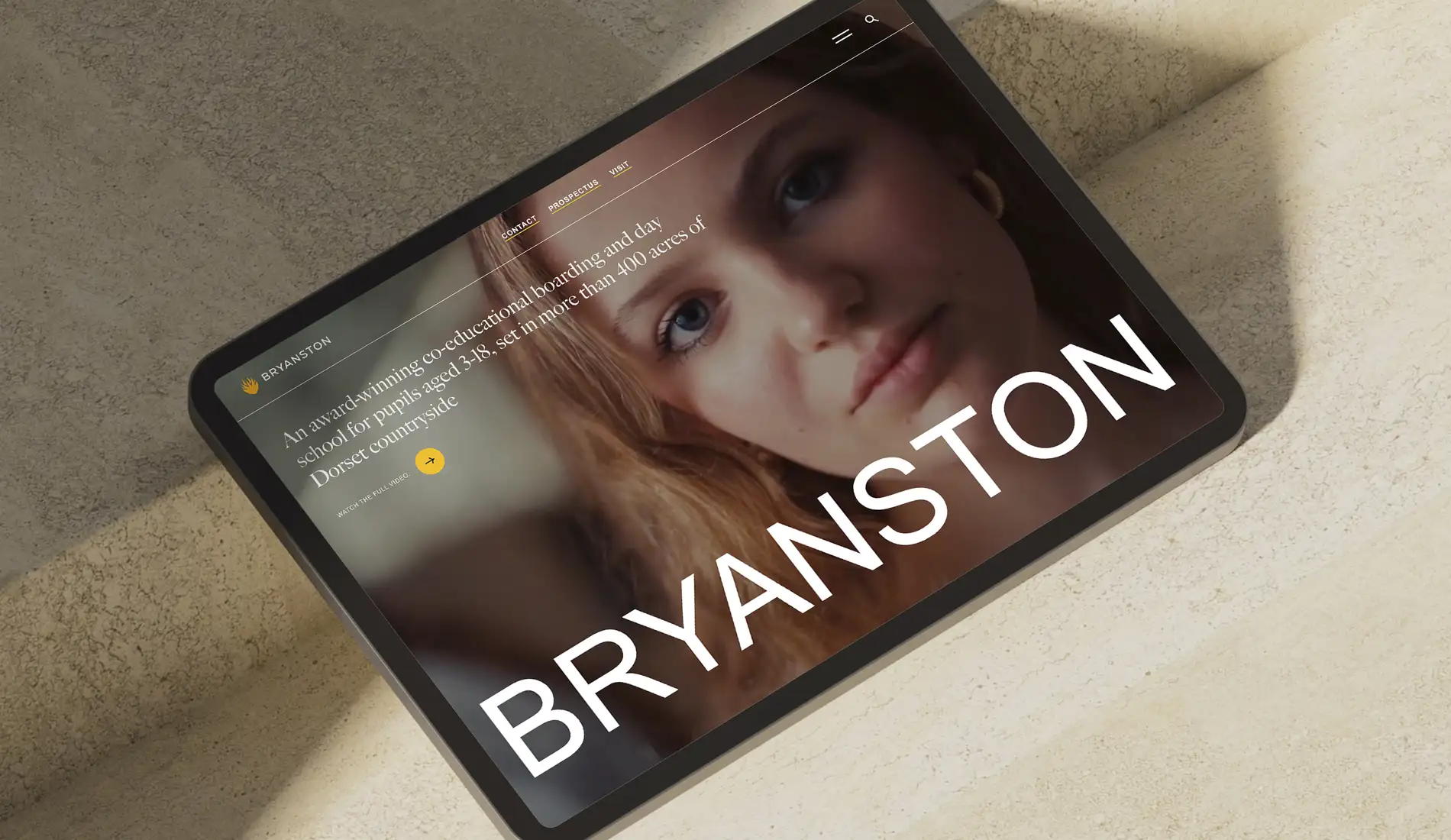
Bryanston School explicitly wanted to move away from the out-of-the-box proprietary systems common in the independent-school market. Fhoke built a bespoke WordPress site and integrated additional functionality around the school’s needs. The finished project saw traffic double from 10,000 to 20,000 monthly visits, dwell time increase threefold, and admissions increase within six months compared with the previous period.
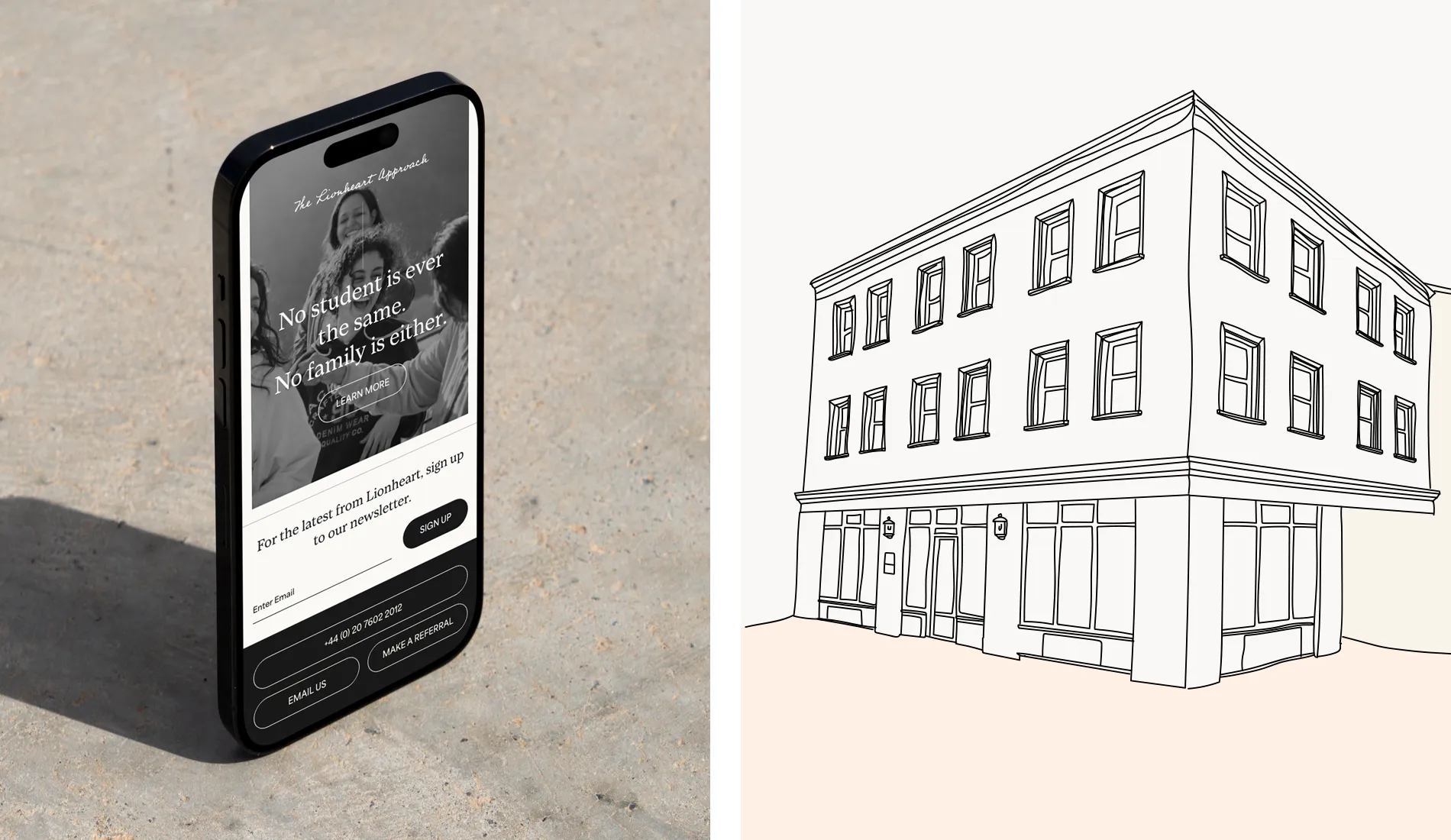
Lionheart Education is a different type of school project but reinforces the same platform argument. Its WordPress site integrates HubSpot for enquiry management, uses predictive search and gives the internal team control over promotional banners.
When a proprietary platform makes sense
A specialist school vendor can be the right option when the school’s requirements closely match a standard product, and the priority is a predictable bundle of common features, support and implementation. Not every school needs a deeply bespoke platform.
The trade-off is usually flexibility
The more distinctive the brand, admissions journey or integration requirements become, the more noticeable platform constraints can be. If the school wants its website to behave differently from the sector norm, it needs a CMS and a development approach that provide enough flexibility to do so.
Ask to see everyday editing tasks
Do not choose a CMS from a feature checklist alone. Ask the provider to demonstrate the work staff will do every week: publish news, add an open day, change an alert, replace a policy, create a landing page, update staff and amend admissions content.
Think about the admissions journey
For an independent school in particular, prospective families may spend considerable time comparing schools online before visiting. The platform needs to support clear storytelling around ethos, academic approach, pastoral care, facilities, activities, boarding or day provision and the steps required to enquire or apply.
Fhoke’s view
The CMS should disappear into the background. Parents should experience a clear, distinctive school; staff should experience a manageable system. We favour WordPress when the school wants a long-term strategic platform rather than a fixed template, but the right decision still starts with the school’s real requirements.
We’re a web design agency with offices in London and Salisbury and are experts in educational and school web design. If you want to see if we’re the right fit for each other, head over to working with Fhoke to find out more.


