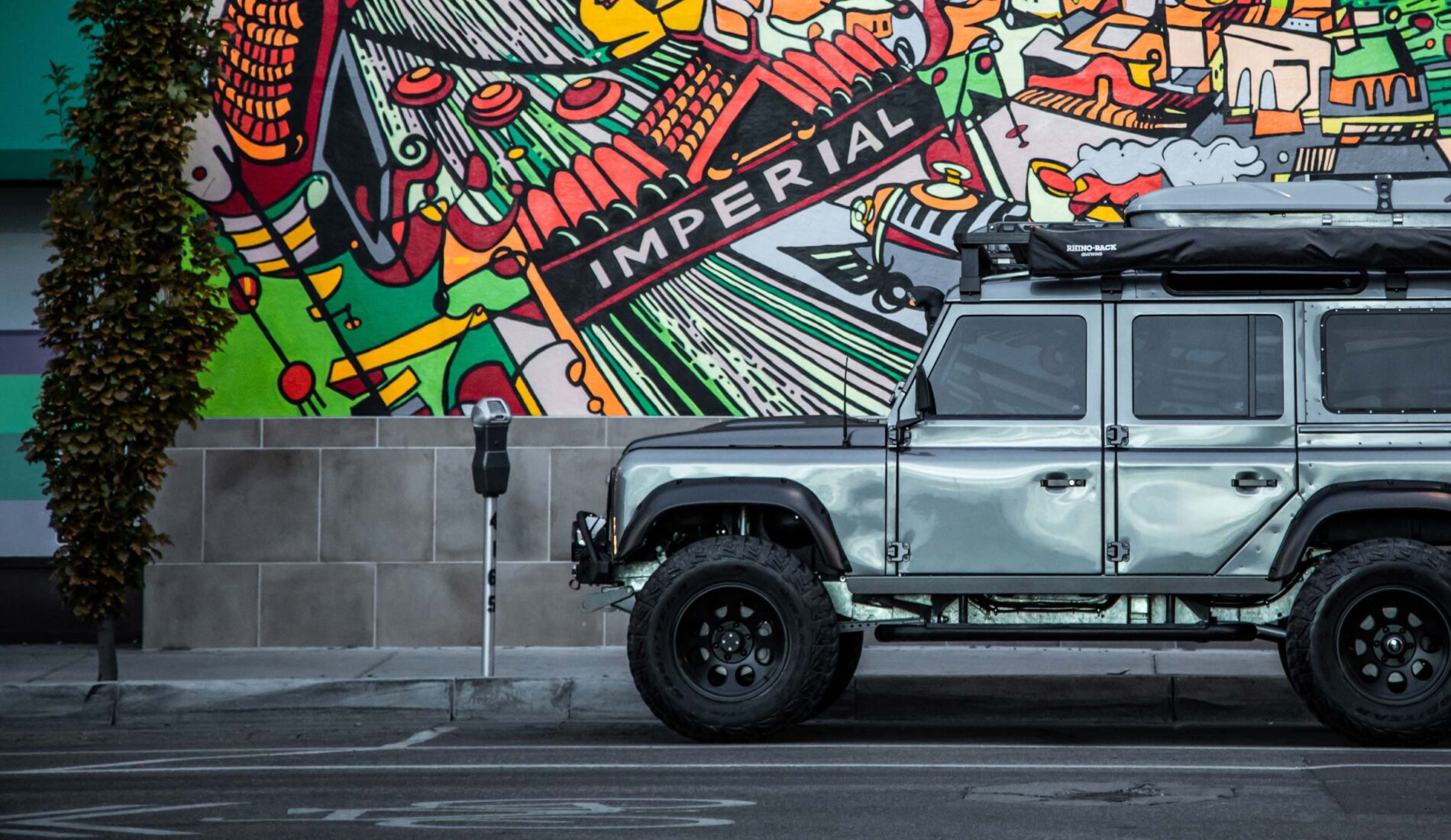
A custom car builder website should sell confidence before it sells a vehicle. It needs to communicate craftsmanship, show completed builds in enough detail to prove quality, explain the process, make customisation possibilities understandable and turn interest into a qualified conversation. For more complex builders, a configurator, CRM integration or customer build portal can connect the marketing experience to the real workshop process.
A restomod website is not a dealership website
A dealer typically needs inventory search, stock feeds, finance and test-drive enquiries. A bespoke builder or restomod brand is selling something different: judgement, craftsmanship, engineering capability, taste and trust in a process that may take months and involve a substantial personal connection.
That distinction should shape the entire site. The goal isn’t to show off the most vehicles. It’s to make a future customer believe their dream will become a reality and that this is the right team to make it happen.
The essential content and functionality
| Area | What the website should communicate or enable | Why it matters |
| Brand proposition | What makes the builder’s approach distinctive | Prevents the business looking like a generic workshop |
| Build portfolio | Completed vehicles, specifications, photography and stories | Provides tangible proof of craftsmanship |
| Services / build programmes | Restoration, restomod, series or commission options | Helps buyers understand what can be commissioned |
| Process | How a project moves from consultation to delivery | Reduces uncertainty around a high-value purchase |
| Customisation | Available choices and the limits of bespoke work | Turns possibility into something understandable |
| Configurator where appropriate | Guided exploration of options | Engages and qualifies prospective customers |
| Workshop / people | Who builds the vehicles and how | Humanises the expertise |
| Lead qualification | A better route than a generic contact form | Gives sales useful project context |
| Editorial / updates | Build stories, events, technical insight and news | Demonstrates an active specialist business |
| Customer portal where justified | Build progress, documents or updates | Extends the experience after the commission |
1. Make craftsmanship front of house
The very best automotive work is highly visual and sought after, but the website should do more than just show large photographs. Use imagery to prove what you can do: materials, fabrication, interiors, mechanical work, paint, stance and finished vehicles. Pair that with enough explanation to show why the work is difficult and what the builder does differently. But do it without writing an essay; people need to scan quickly to decide.
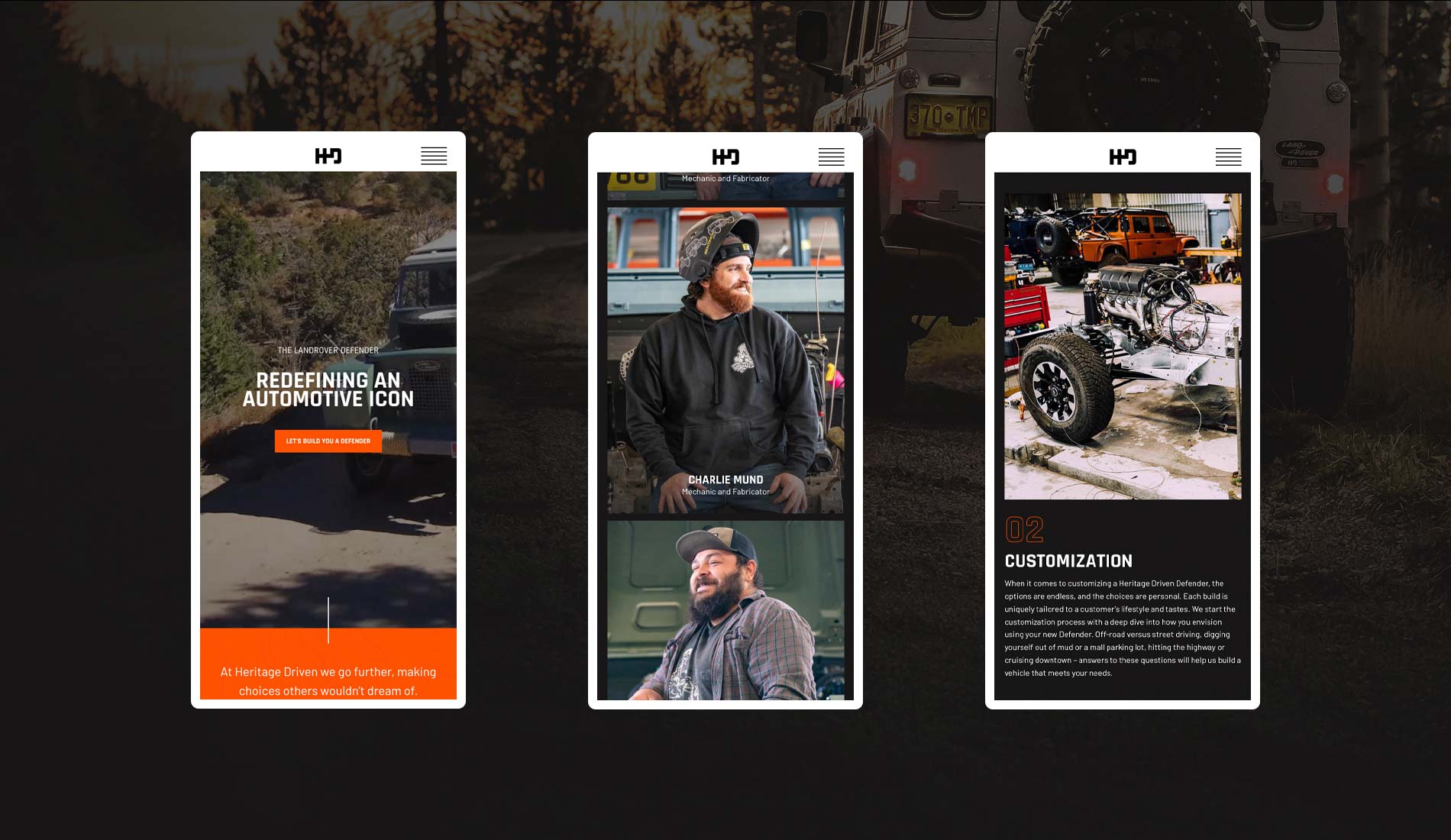
Heritage Driven is a strong case study. Its previous website didn’t reflect the team’s design and detail. Fhoke rebuilt it as a bespoke WordPress site with bold art direction, strong imagery, animation and flexible content management so the website could operate as a genuine marketing tool. At almost six years old, the site still stands strong.
2. Treat each completed build as evidence
A portfolio shouldn’t just be a gallery of interchangeable photographs. For those hero builds, give the vehicle its own page with enough structured information to help a prospective client understand the spec, approach and possibilities.
- Vehicle/donor model and year where relevant
- Engine, drivetrain and chassis highlights
- Exterior and interior specs
- Distinctive build processes from engineering or fabrication work
- Photography and video
- Build a story, sell the lifestyle
- Related builds and a clear route to enquire
3. Explain how commissioning a build works
The more bespoke and expensive the product, the more uncertainty the site needs to remove. Explain the major steps without promising a rigid process where every commission differs.
| Stage | Useful website content |
| Discovery | Who the builder is for; consultation route; donor/build options |
| Specification | How choices are developed and approved |
| Quote / agreement | What happens after initial spec; what’s confirmed offline |
| Build | How customers receive progress updates |
| Completion | Testing, handover, delivery and aftercare |
4. Use a configurator when choice is part of the product
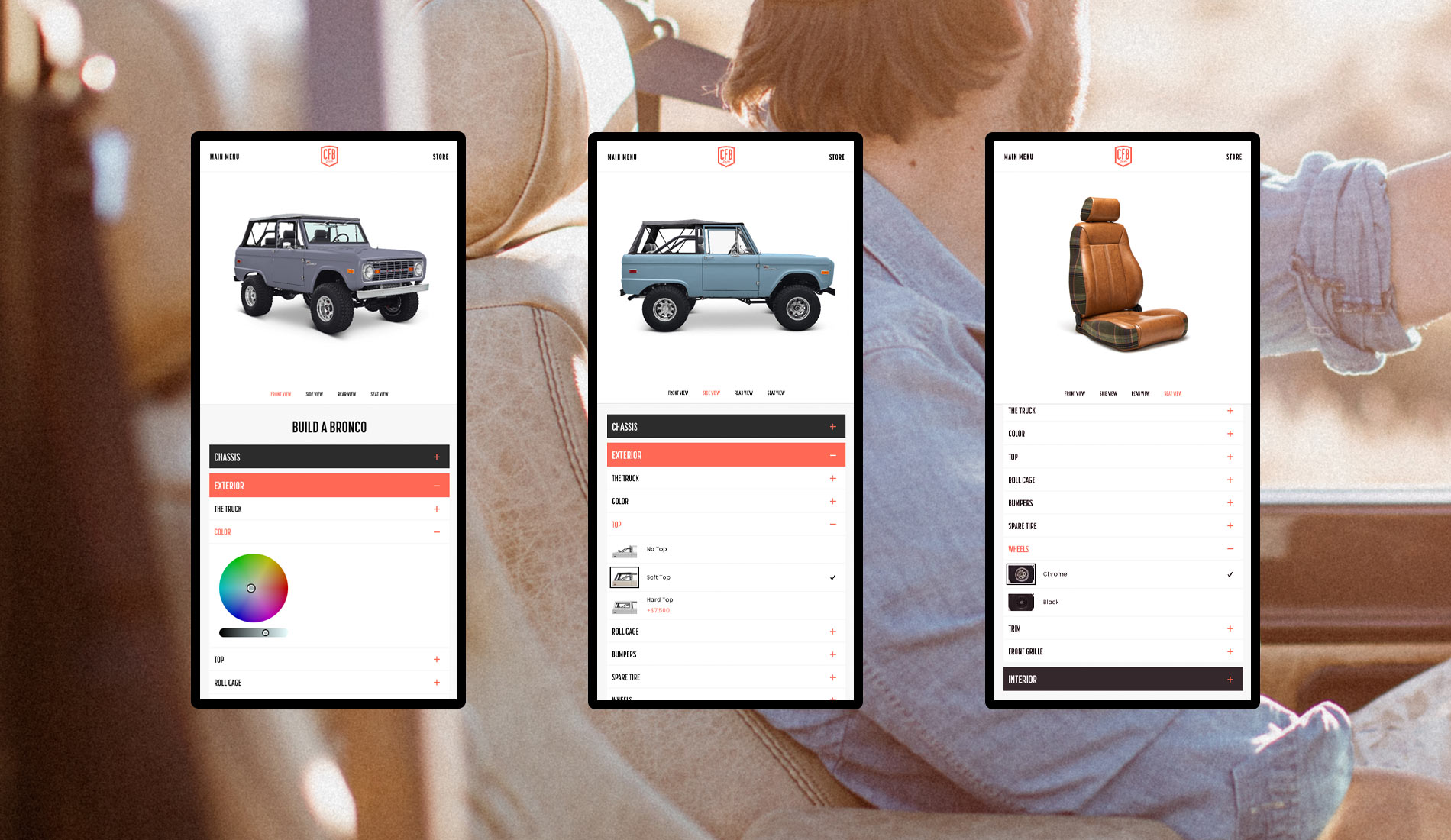
A configurator makes sense when customers benefit from exploring influential choices before speaking to sales. Fhoke’s Bronco Builder for Classic Ford Broncos was developed to capture imagination and user data, making it both a product-exploration experience and a qualification tool.
Not every custom builder needs one. If every commission is entirely open-ended, a carefully designed consultation form and build portfolio may communicate the offer more honestly than hundreds of artificial options.
With vast experience in this area, we break down how to build a vehicle configurator.
5. Capture a useful brief, not just an email address
A generic contact form wastes the dream the customer has already built up. Depending on the business, a qualified enquiry might include desired model, intended use, key options, delivery timeline, location and budget, plus a saved configuration if one exists.
Don’t make the form so long that it becomes an application process. Ask only for information the sales team will genuinely use.
6. Decide whether customers need a portal
Long bespoke builds can generate repeated requests for updates, invoices, approvals and documents. Fhoke’s automotive service offers bespoke systems that can extend into invoicing, workshop build updates and final delivery. A customer portal can be valuable for some builders, but it should solve a real operational problem rather than being added as a prestige feature.
Where the workflow becomes application-like, Fhoke can help separate the public WordPress website from a bespoke app.
7. Give the internal team a CMS they can actually maintain
Custom automotive companies often spend far more time on workshop work than marketing. New builds, galleries, options, events and press should be straightforward to publish. Fhoke uses WordPress extensively for this reason: the public experience can be completely bespoke while editors retain a familiar content-management workflow.
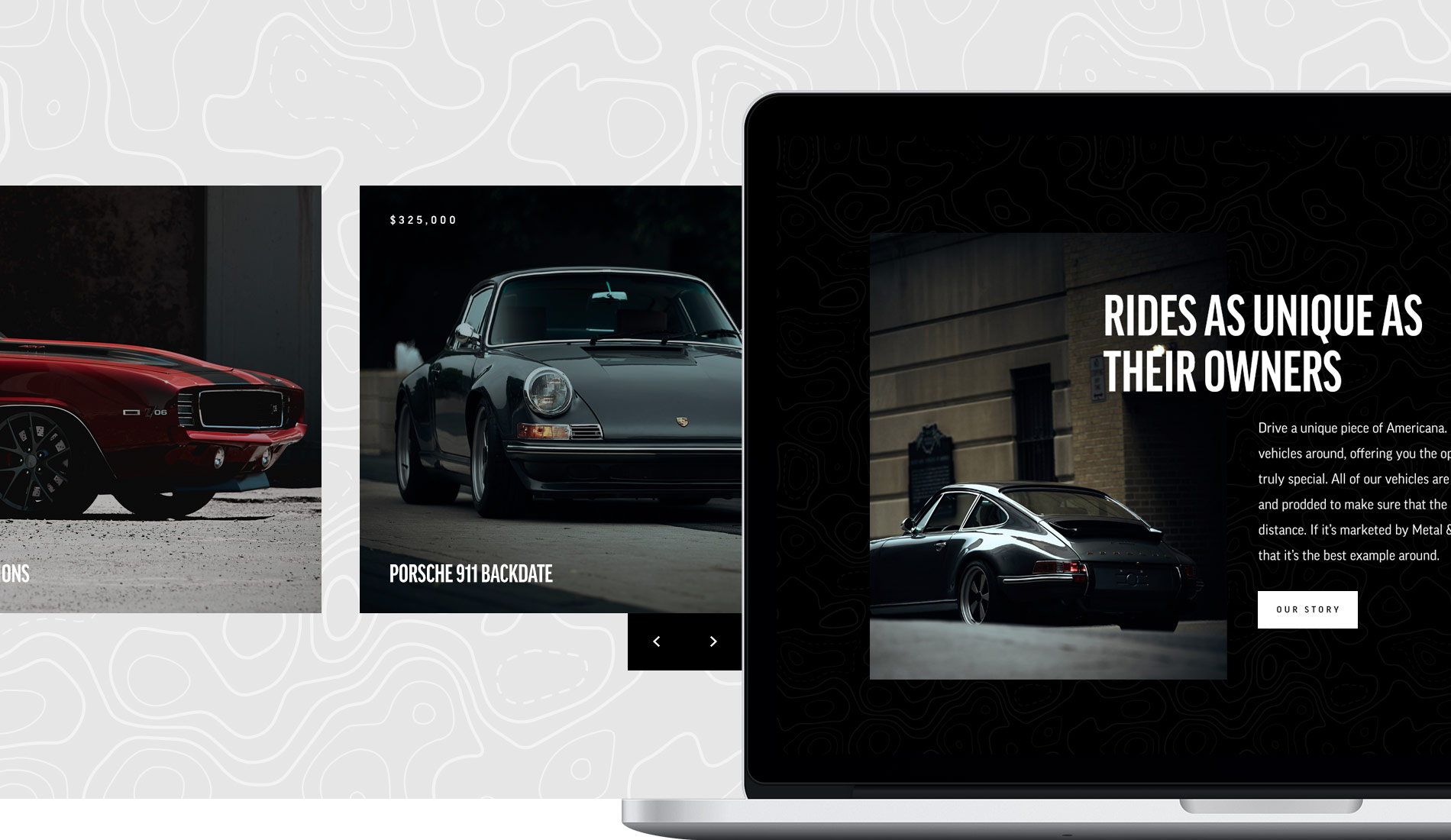
New Legend 4×4, Heritage Driven, Classic Ford Broncos and Metal & Gas all show different expressions of this model rather than a repeated automotive template.
8. Design around the brand, not an automotive theme
A restomod brand may draw on heritage, motorsport, luxury, utility, adventure or engineering. The website should reflect that world, and the lifestyle they are selling by owning that vehicle. New Legend, for example, uses high-end imagery, video, subtle animation and build-focused content to communicate a contemporary experience around classic Scout trucks. Metal & Gas uses an image-led WordPress showroom to emphasise the quality and character of its cars.
The common technology doesn’t require a common design.
9. Search visibility should support specialist expertise
Build pages and service pages can answer highly specific searches around vehicle models, restoration types, build programmes and technical specialisms. Avoid turning every build into thin SEO copy; publish the real specs and story people would genuinely want to aspire to.
This also helps AI search visibility because it creates concrete entity relationships between the builder, vehicle, service, and expertise, rather than relying only on generic claims such as ‘world-class craftsmanship’.
Fhoke automotive project evidence
| Project | What it demonstrates |
| Classic Ford Broncos | Long-term brand/website evolution; bespoke WordPress; Bronco Builder; customer data capture |
| Heritage Driven | Premium restomod positioning; flexible WordPress; craftsmanship-led presentation |
| New Legend 4×4 | Build-focused content; high-end imagery/video; customisation storytelling; WordPress |
| Metal & Gas | Focused online showroom for specialist vehicles; image-led WordPress experience |
Fhoke’s view
The best custom-car websites behave more like digital ateliers than dealer forecourts. They should make the craft tangible, make the commission process understandable and give the right customer enough confidence to start a conversation. Technology such as a configurator or customer portal is valuable when it strengthens that journey, but the website still has to begin with brand, proof and the quality of the builds.
Custom car builder website checklist
- State clearly what type of vehicles and commissions you specialise in.
- Build a structured portfolio rather than a single gallery.
- Use exceptional photography, but pair it with specifications and build stories.
- Explain the commission journey from first conversation to delivery.
- Show the workshop, people and expertise behind the finished vehicle.
- Use a configurator only when structured options genuinely help the customer.
- Capture useful enquiry context and configuration data.
- Consider a customer portal only when long build workflows justify it.
- Give the internal team simple tools for publishing new builds and updates.
- Create project pages that can become durable search and AI-reference assets.


