It turns out “we should do another studio post” can sit on a to-do list for nearly three years. Impressive, in all the wrong ways. In our defence, the studio has been anything but quiet. August alone gave us an 18th birthday, four launches, two return clients, a new booking platform and enough AI news to make taking a week off feel professionally irresponsible.
So, our studio updates are back. Here’s the lowdown on what we shipped, celebrated and learnt in August.
Old enough to know better
On 1 August, Fhoke turned 18. We marked the occasion by looking back at where we started and the unsettling realisation that the agency can now legally buy its own round.
A lot has changed since 2008. Websites have lost their glossy buttons (although that’ll come back around one day), mobile has gone from an afterthought to the starting point, and AI has become part of the daily conversation. Underneath the new platforms and bigger briefs, the formula remains familiar: a small team, a sharp eye for detail and a fondness for untangling problems that arrive looking anything but simple.
The awards tally now sits above 140; the coffee tally is wisely undocumented. More importantly, we’re still building work we care about with people we like. Wiser? We’ll let somebody else decide that.

Luxury, without a permanent postcode
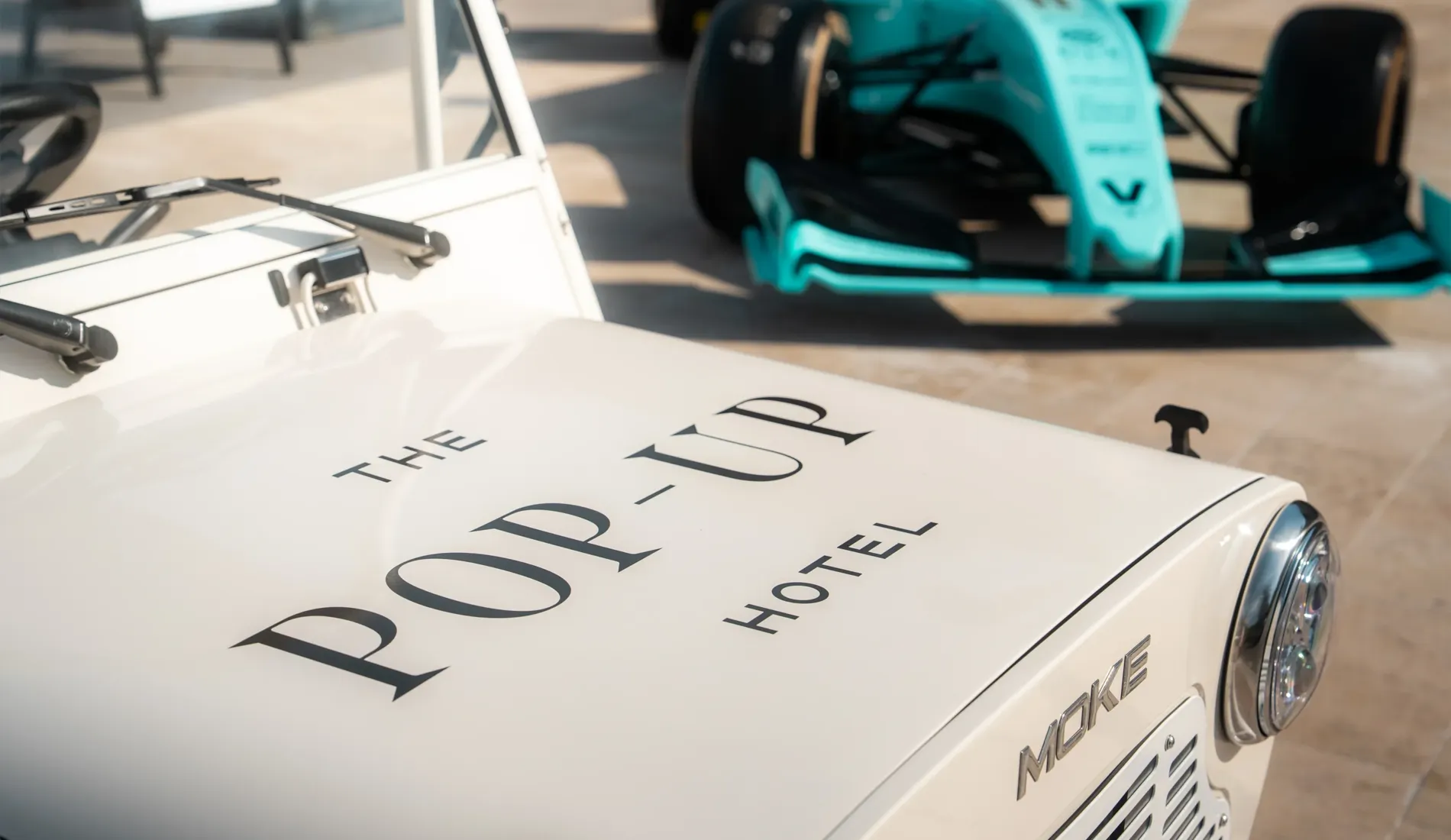
From Glastonbury and Silverstone to Monaco and Monza, The Pop-Up Hotel creates temporary hotels at some of the world’s biggest events. This is a long way from throwing a duvet into a tent and calling it boutique. Each destination combines premium accommodation with dining, entertainment and hospitality designed to rival a permanent five-star hotel.
The experience was already exceptional. The digital side needed to catch up. We refined the brand and built a bespoke WordPress and WooCommerce platform around immersive photography, generous layouts and a carefully paced route from first scroll to confirmed stay.
Behind the polished front end sits custom booking functionality for deposits, staged payments, upsells and reporting, all designed to make a complex, seasonal operation much easier to manage. We also shared what the project taught us about redesigning a luxury hospitality website: sell the experience before the room, remove friction without removing theatre, and make the logic behind the scenes work just as hard as the design.
Same adventure. New engine.
We first worked with Brigade Overland in 2021, creating its brand and original WooCommerce store from scratch. Five years of growth later, the business had outgrown that setup and came back to us for the next leg of the journey.
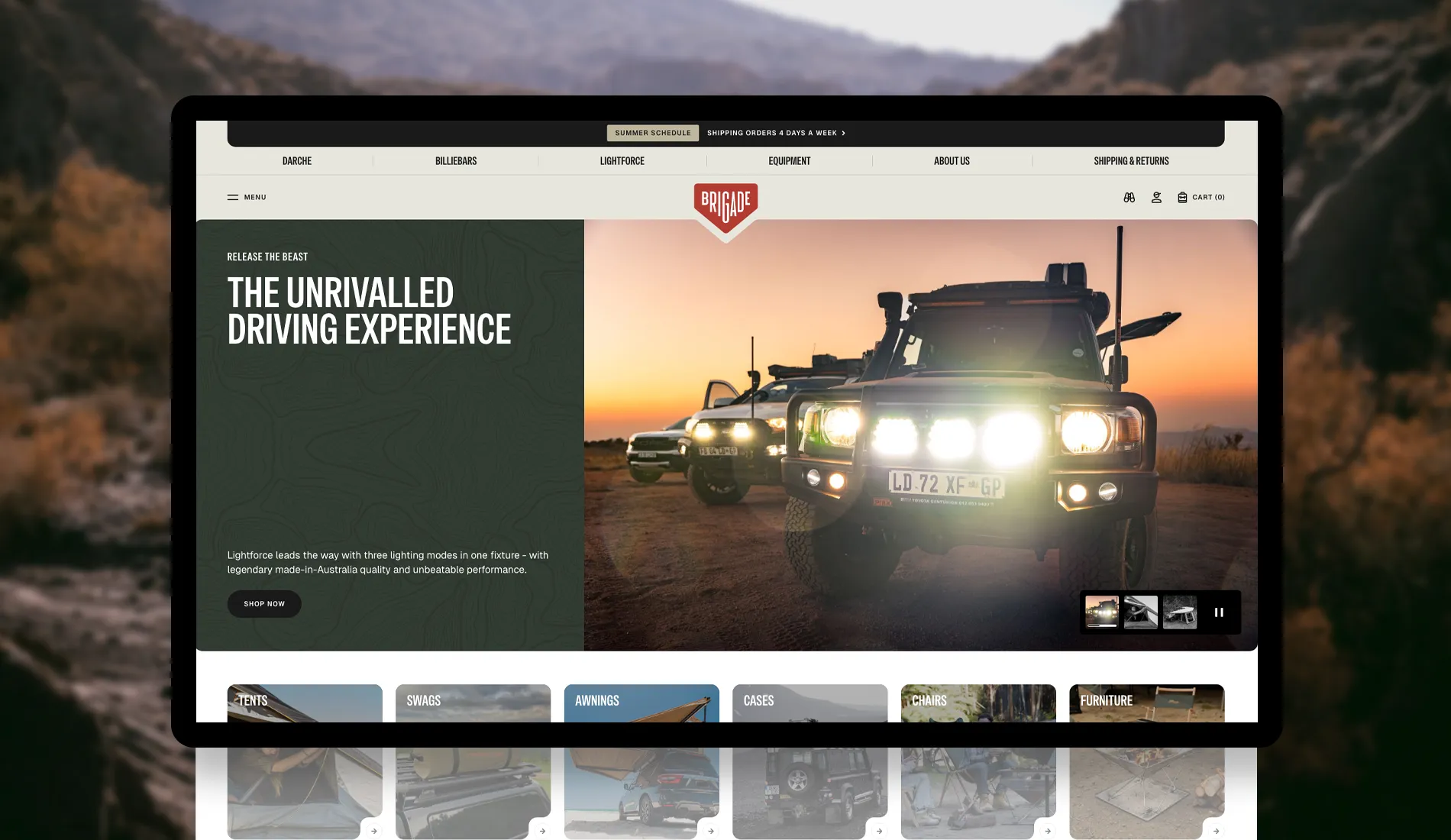
We took the strongest parts of the original identity, pushed them further and rebuilt Brigade Overland on Shopify. The bespoke theme gives its range of outdoor and overlanding products more room to shine, while a carefully planned migration brought products, customer accounts and historical orders across from WooCommerce.
Replatforming is never just a case of packing up the products and hoping everything else follows. So, hot on the heels of launch, we wrote a practical guide on when to migrate from WooCommerce to Shopify—and, just as importantly, when staying put is the smarter move. Spoiler: “because everyone else is doing it” is not a business case.
Heritage without the dust
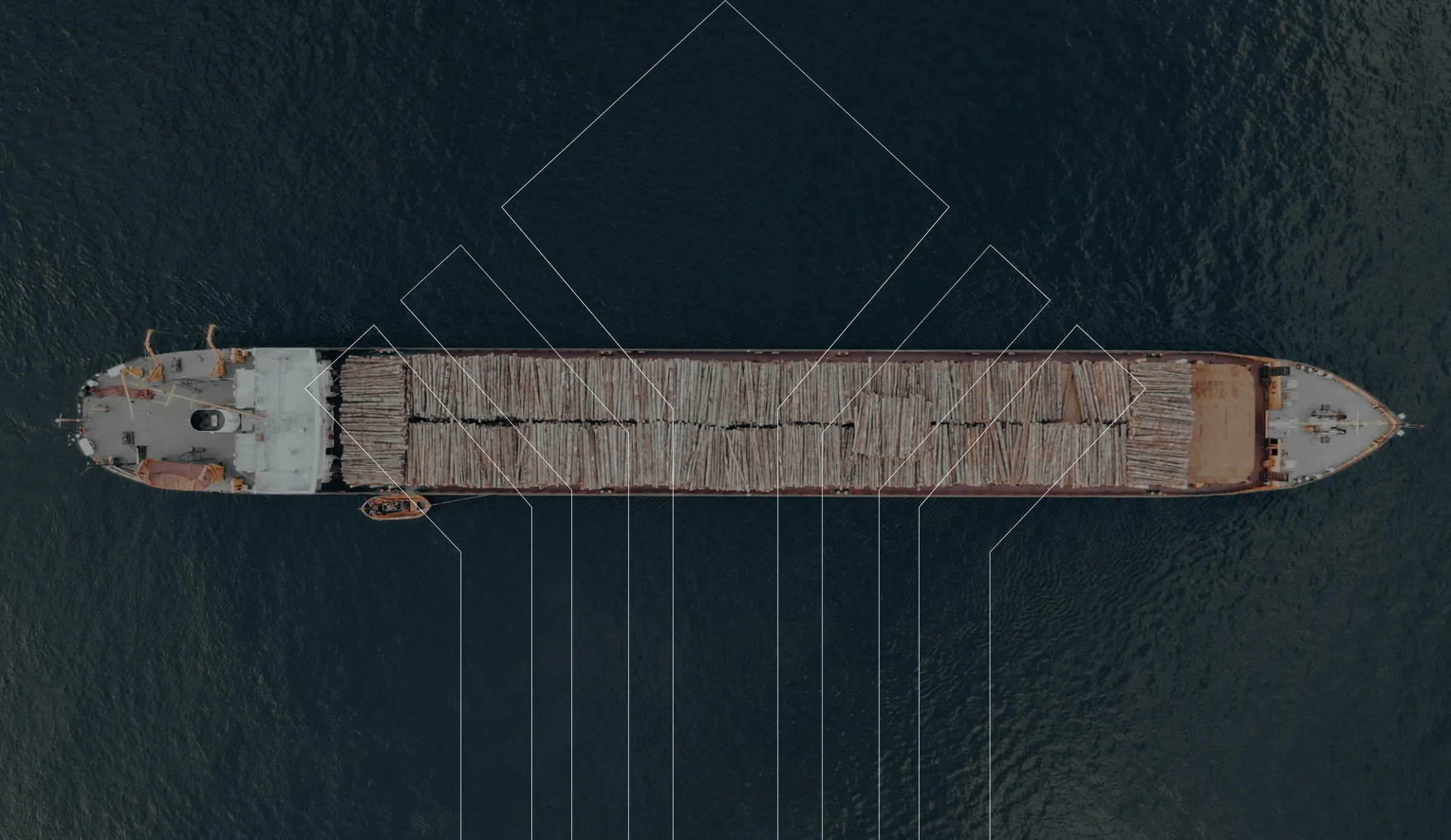
Price & Pierce has spent more than 150 years at the heart of the timber industry, building a global sourcing network and a reputation founded on knowledge, reliability and long-standing relationships. Having first partnered with the team in 2018, we were invited back to bring that story up to date again.
The new Price & Pierce identity and website balance heritage with a sharper, more confident digital presence. Editorial-inspired layouts, purposeful typography and large-format imagery move the brand away from the familiar, overly corporate language of the sector without losing the trust it has spent generations earning.
A bespoke WordPress build and modular content system make products, industry knowledge, sustainability and global capabilities easier to explore—and considerably easier for the internal team to manage. Established, modern and built to keep growing. Much like the timber, really.
Search, sharpened
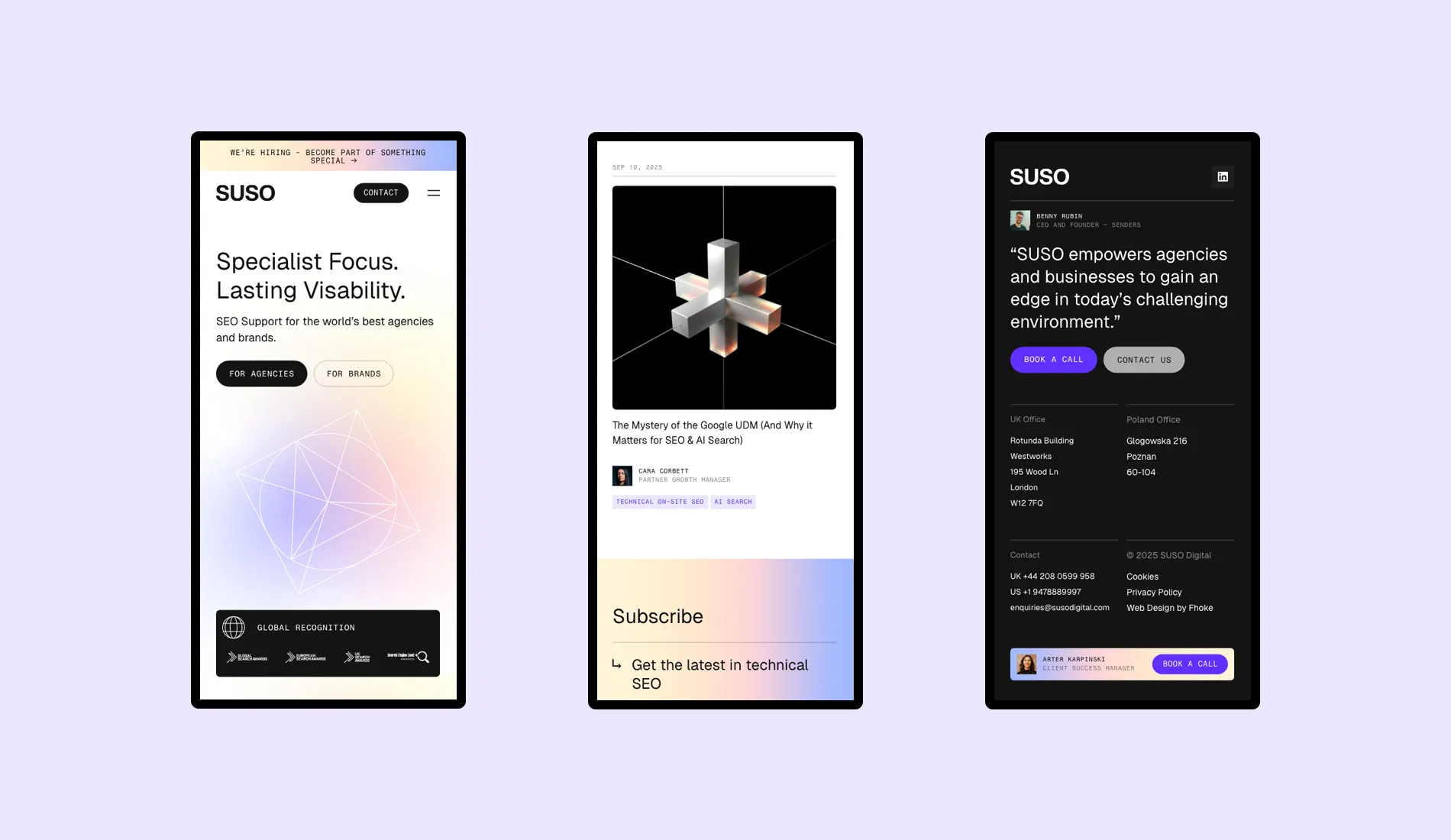
When the client is an agency specialising in SEO and AI Search for ambitious global brands, you can safely assume the new website will be inspected from every possible angle.
We evolved SUSO’s brand and digital presence with a refined mark, a bolder colour system and a geometric visual language rooted in motion, accuracy and structured thinking. The result feels more confident and distinctive while giving the team a flexible identity it can use well beyond the website.
The bespoke WordPress build uses a modular ACF system to keep pages and case studies fast to create and consistent to manage. Strong schema, performance best practice and a clearer lead-generation journey give the site the technical foundations expected of a search specialist. No pressure, then.
Meanwhile, AI moved again
It is difficult to go a week without another model, feature or existential think piece landing in the inbox. Rather than attempt to list everything, here are five shifts that feel particularly big right now:
- Agents are leaving the chat box. AI is moving from answering a question to planning a job, using tools and carrying work across applications. Native computer use and longer-running workflows are turning “assistant” into something much closer to an active collaborator. Source: OpenAI’s GPT-5.4 launch.
- Search is becoming a conversation—and an action. Google says AI Mode has passed one billion monthly users, with agents increasingly able to complete tasks from the search box. For brands, clear, useful and authoritative content matters more than ever because discovery may begin with an answer rather than a page of blue links. Source: Google’s 2026 Search update.
- Coding agents are joining real development workflows. They are no longer limited to suggesting the next line. Agents can implement features, fix bugs and improve test coverage inside live repositories, with platforms now adding automated checks around the code they produce. Human review is not going anywhere, but the shape of the job is changing quickly. Source: GitHub’s agent security update.
- Creative AI has found the rest of the senses. Image generation was only the opening act. Creative platforms are bringing image, video, music, voice and sound effects into connected production workflows, making AI less of a novelty generator and more of an everyday studio tool. Source: Adobe Firefly’s August 2026 update.
- Provenance has moved from good intention to obligation. From 2 August 2026, new EU AI Act transparency rules began to apply, including disclosure when people are interacting with AI and labelling for certain generated or altered content. Trust, traceability and human oversight now need to be designed in, not added at the end. Source: European Commission.
The useful thread running through all five is that AI is becoming less of a separate destination and more of a layer inside search, software, creative tools and day-to-day work. The challenge is no longer finding somewhere to use it. It is choosing where it genuinely earns its place.
That was August: one birthday, four launches and no shortage of things to keep us curious. If September carries on at this pace, the next studi update should arrive before 2029.
Have an ambitious brand, website, online store or digital product in mind? Let’s talk.


